
Normaltown
After a lifetime of using photography to look outward, Normaltown is my first foray into trying to understand how the camera can point inward.
When I was seven, my mother left my father, ferrying my sister and me from upstate New York, to Athens, Georgia, to take her first job as a librarian. My mother is an orphan and a survivor. I got my first camera at this time. My earliest photographs were of the street sign obelisk in front of my house. One survives. It is saying little more than hold me here. Normaltown was where I learned that the camera can care for you. Your life may have come apart. The story of your family may have come up sputtering and silent. But the camera keeps telling your story, over and over.
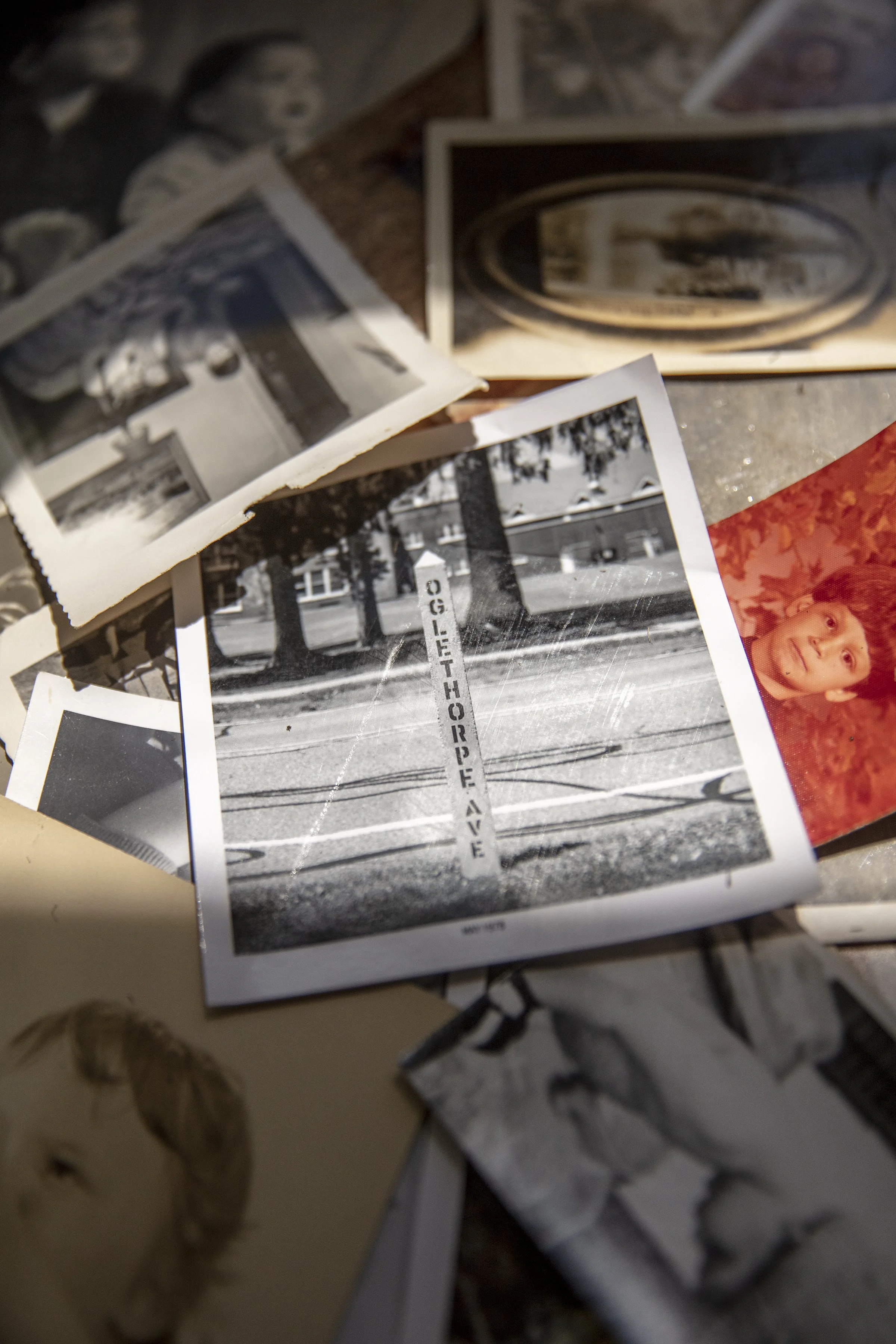
My First Photograph Photographed
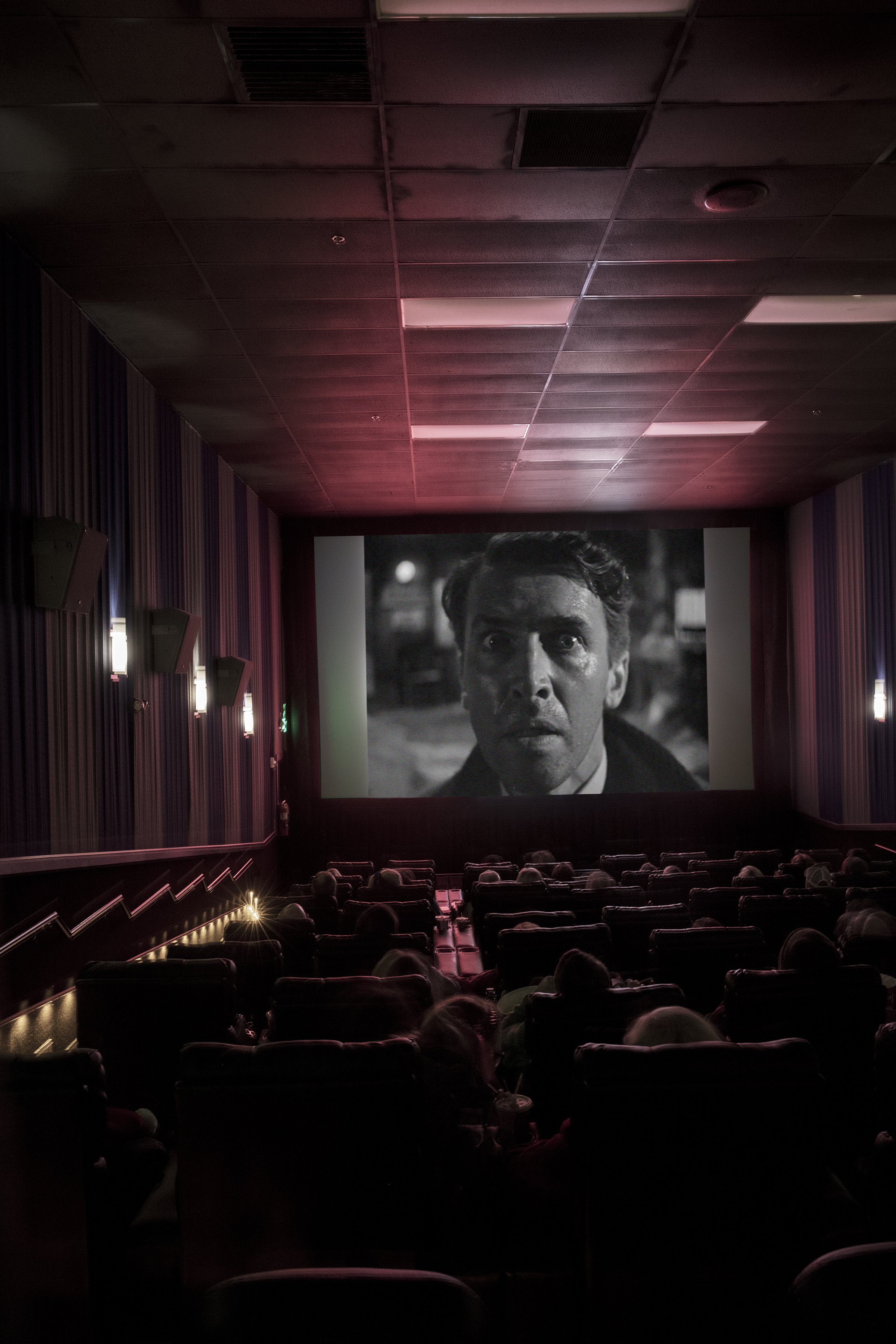
Wonderful Life
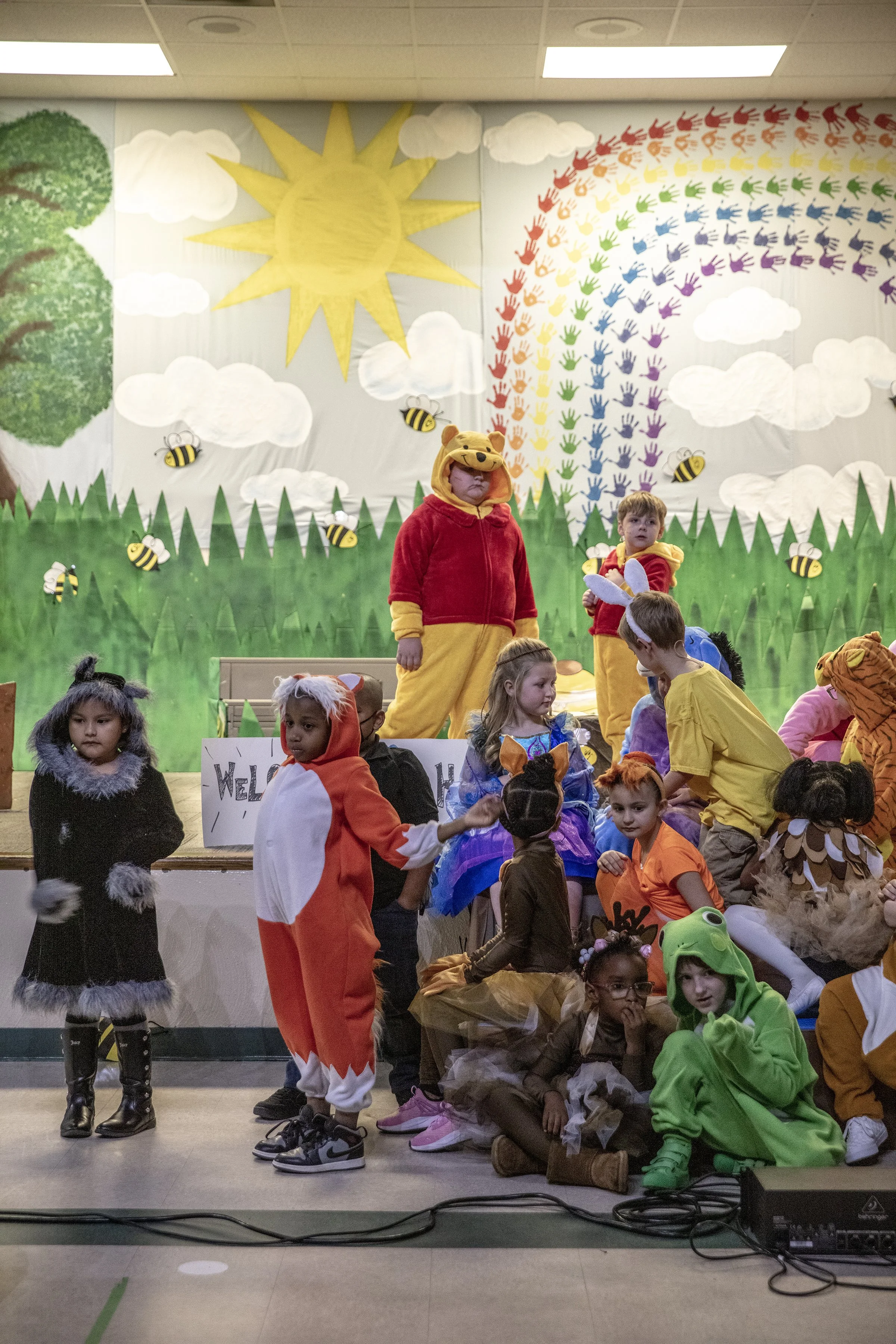
Winnie the Pooh
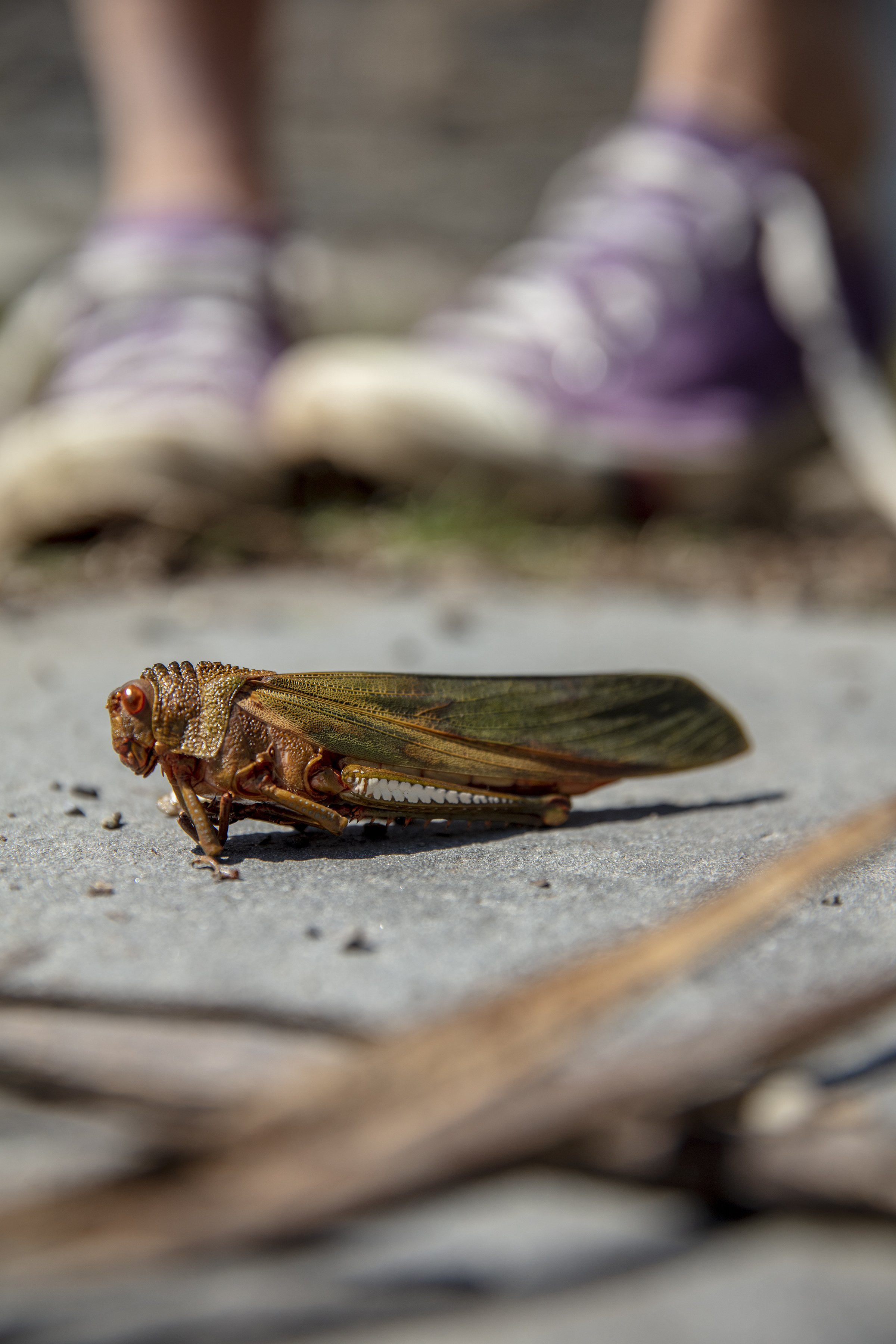
The Locust
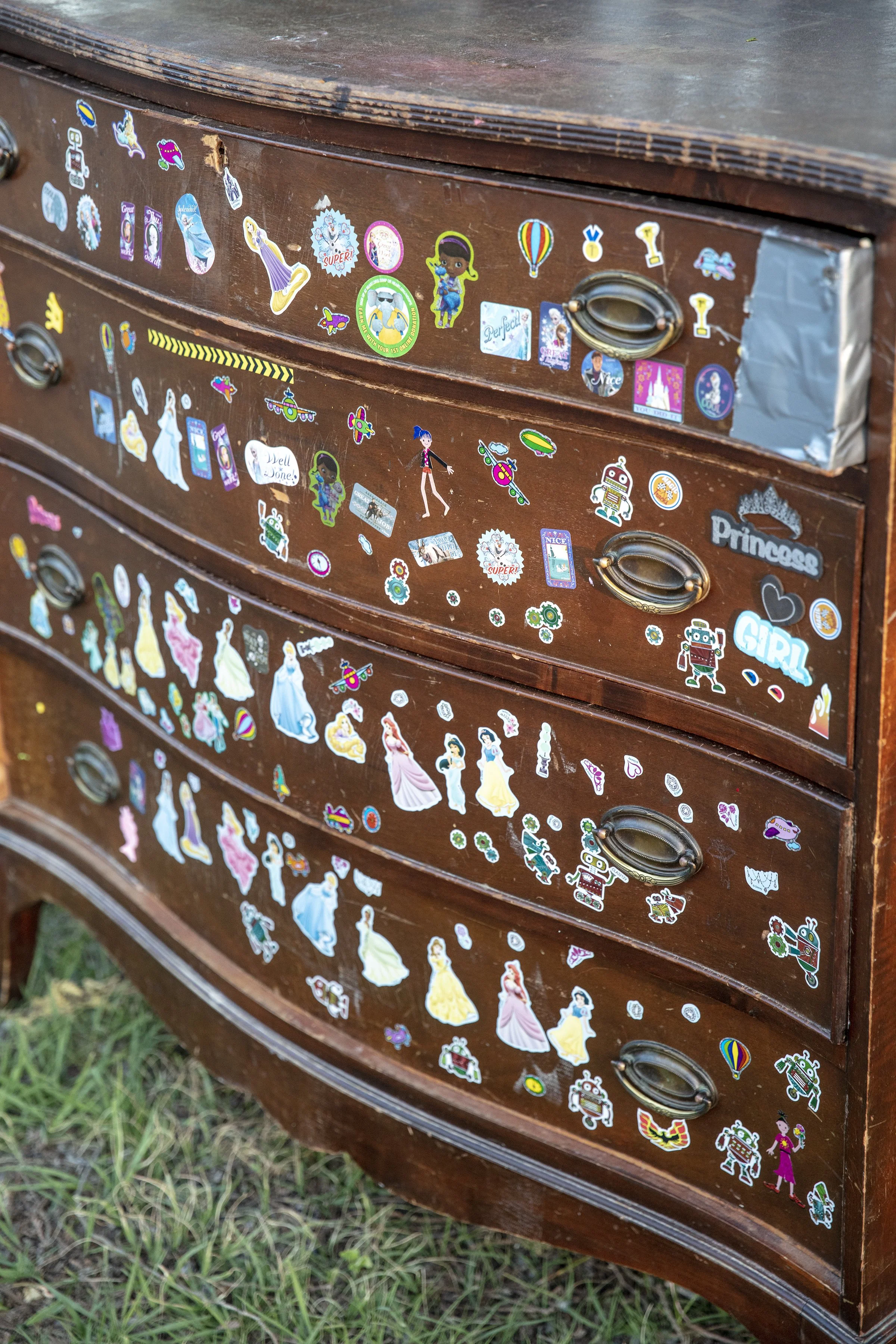
Stickers on Dresser
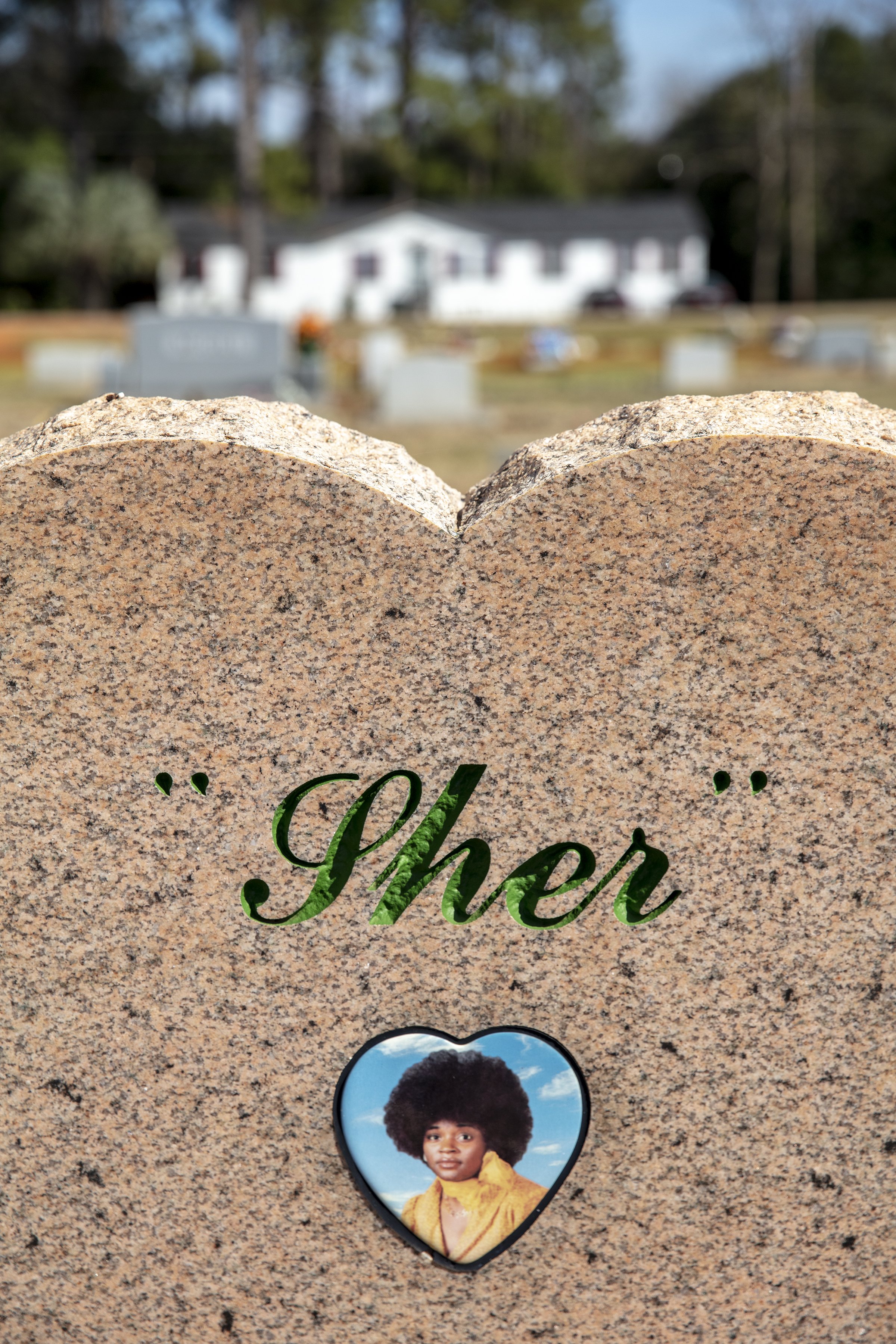
Sher
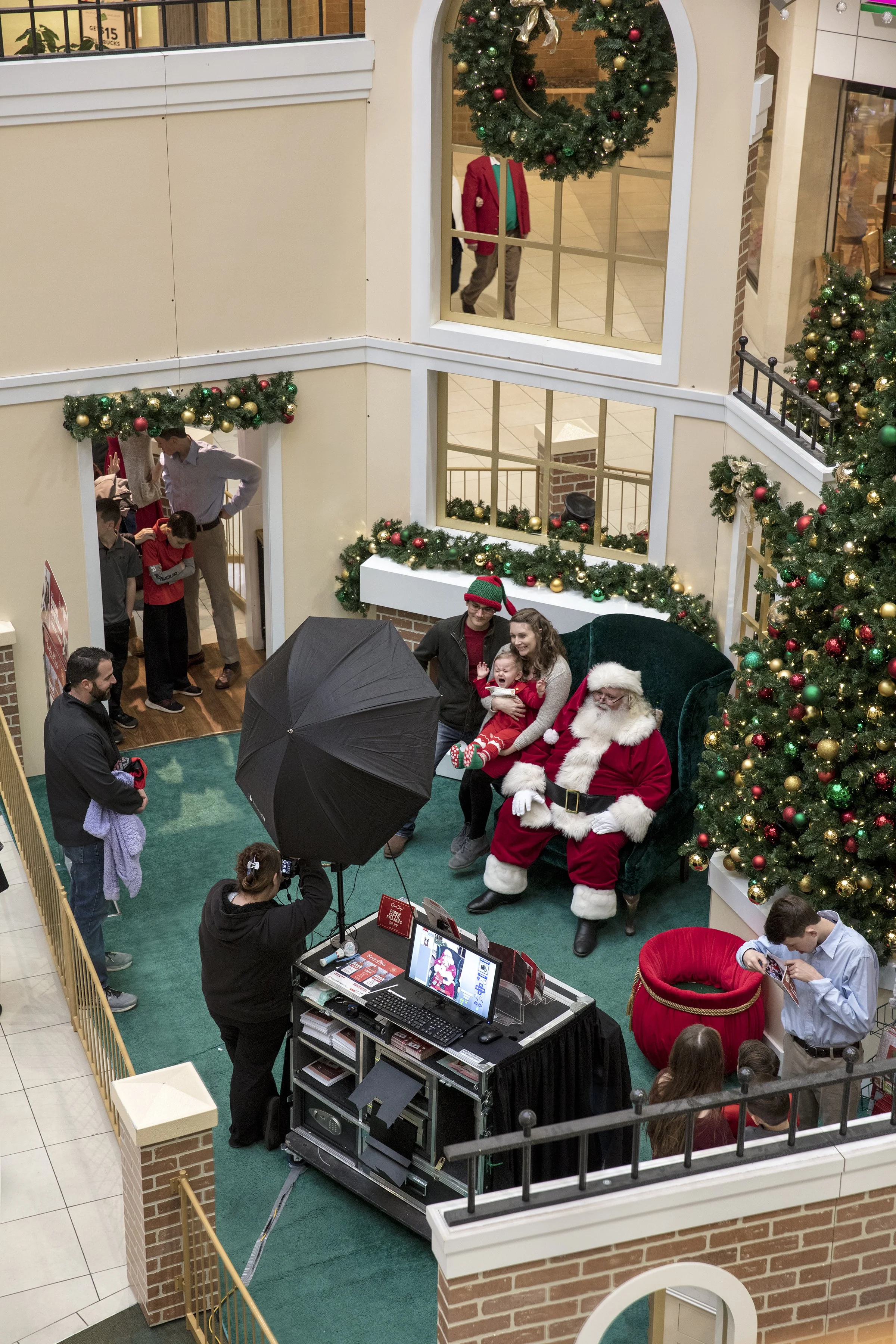
Santa at the Mall
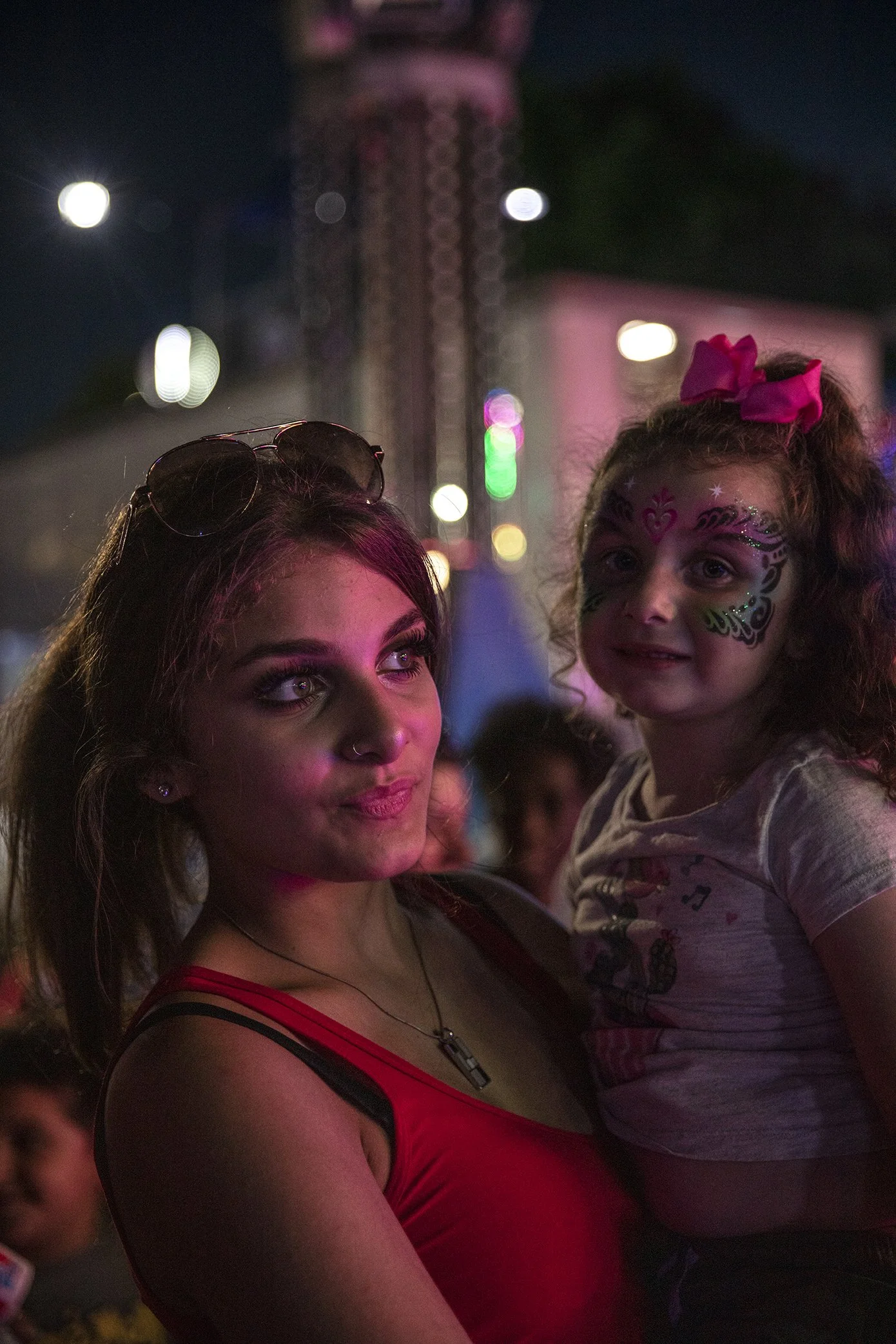
Pretty Mother Daughter County Fair
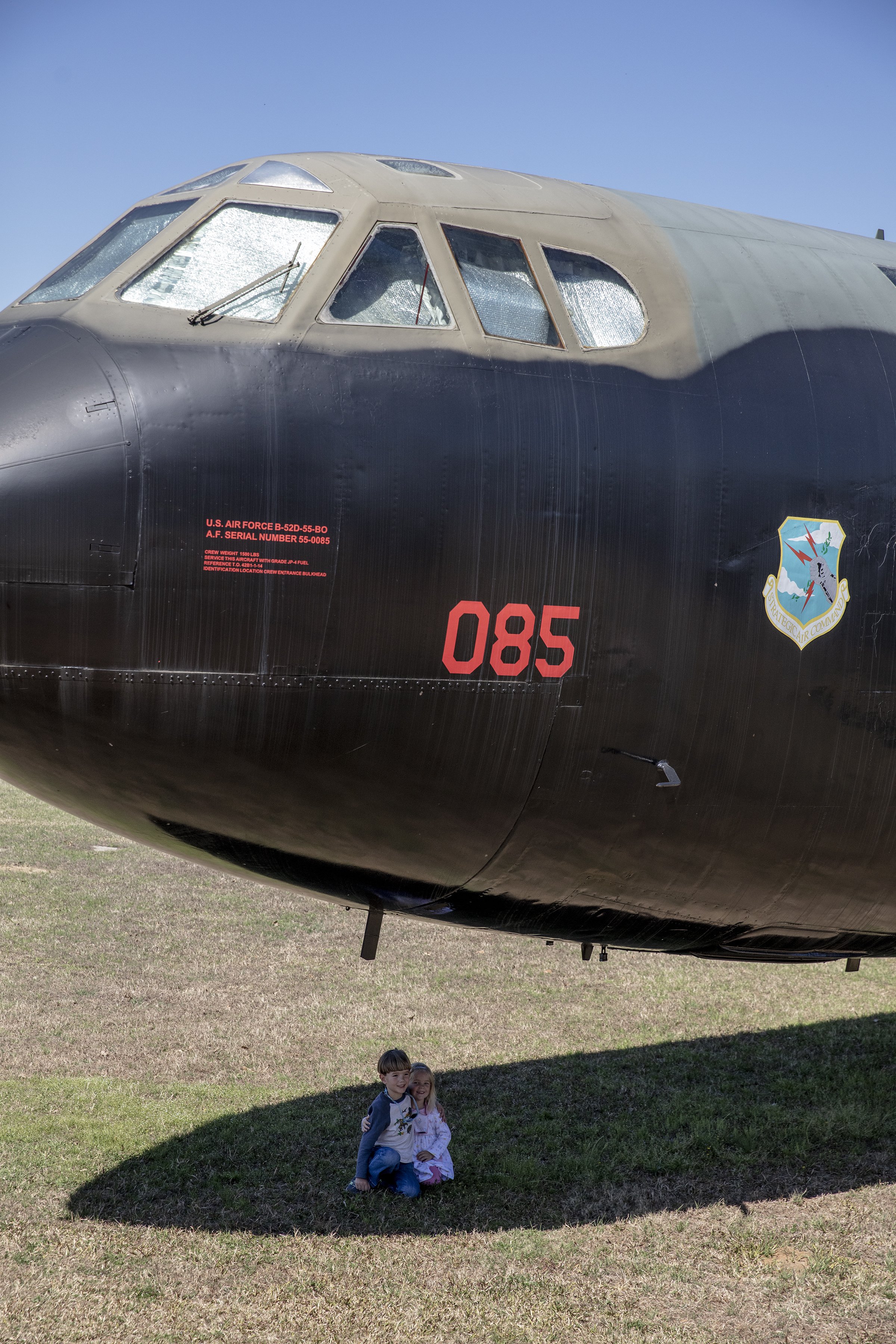
Posing Under the Bomber
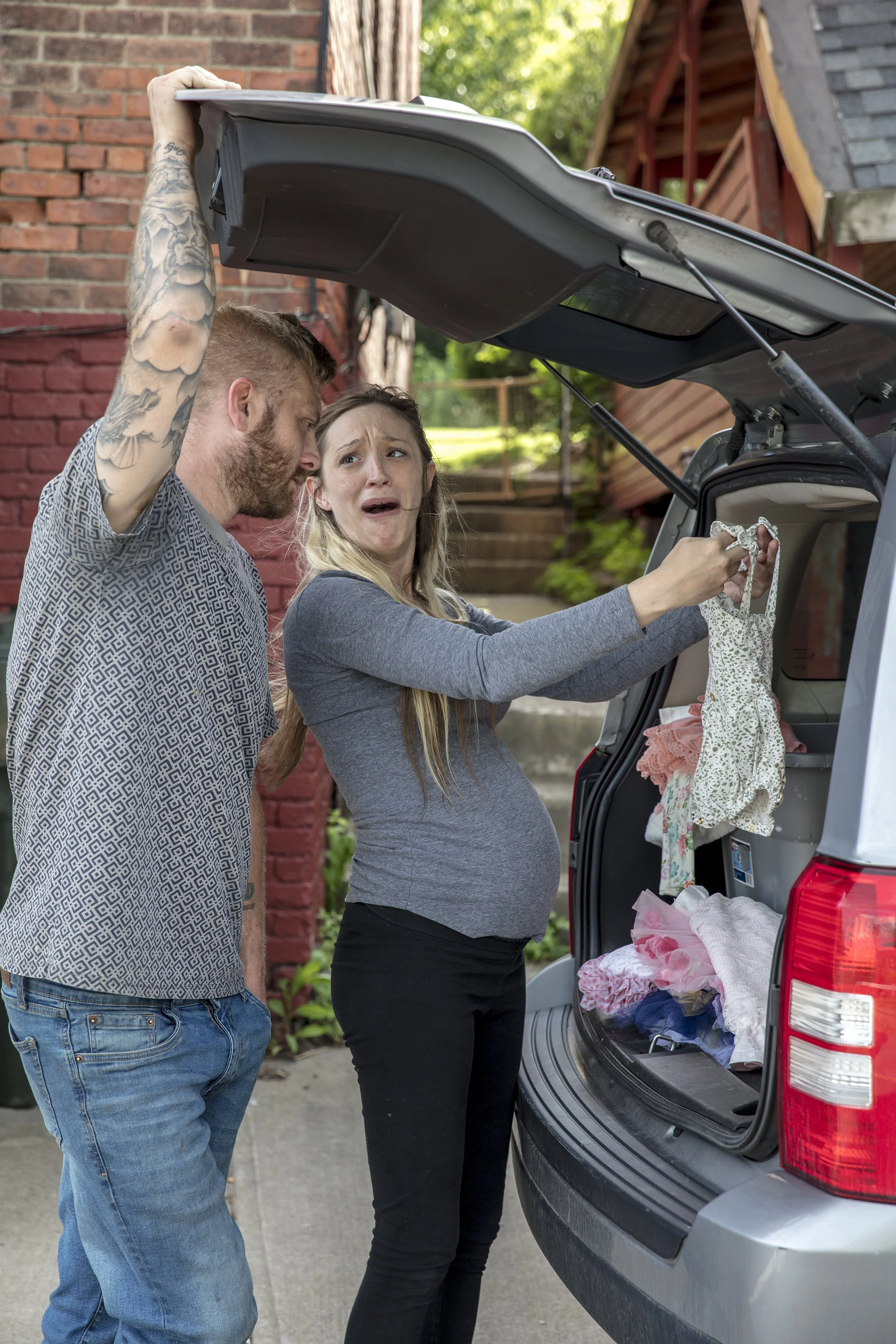
OMG Baby Clothes
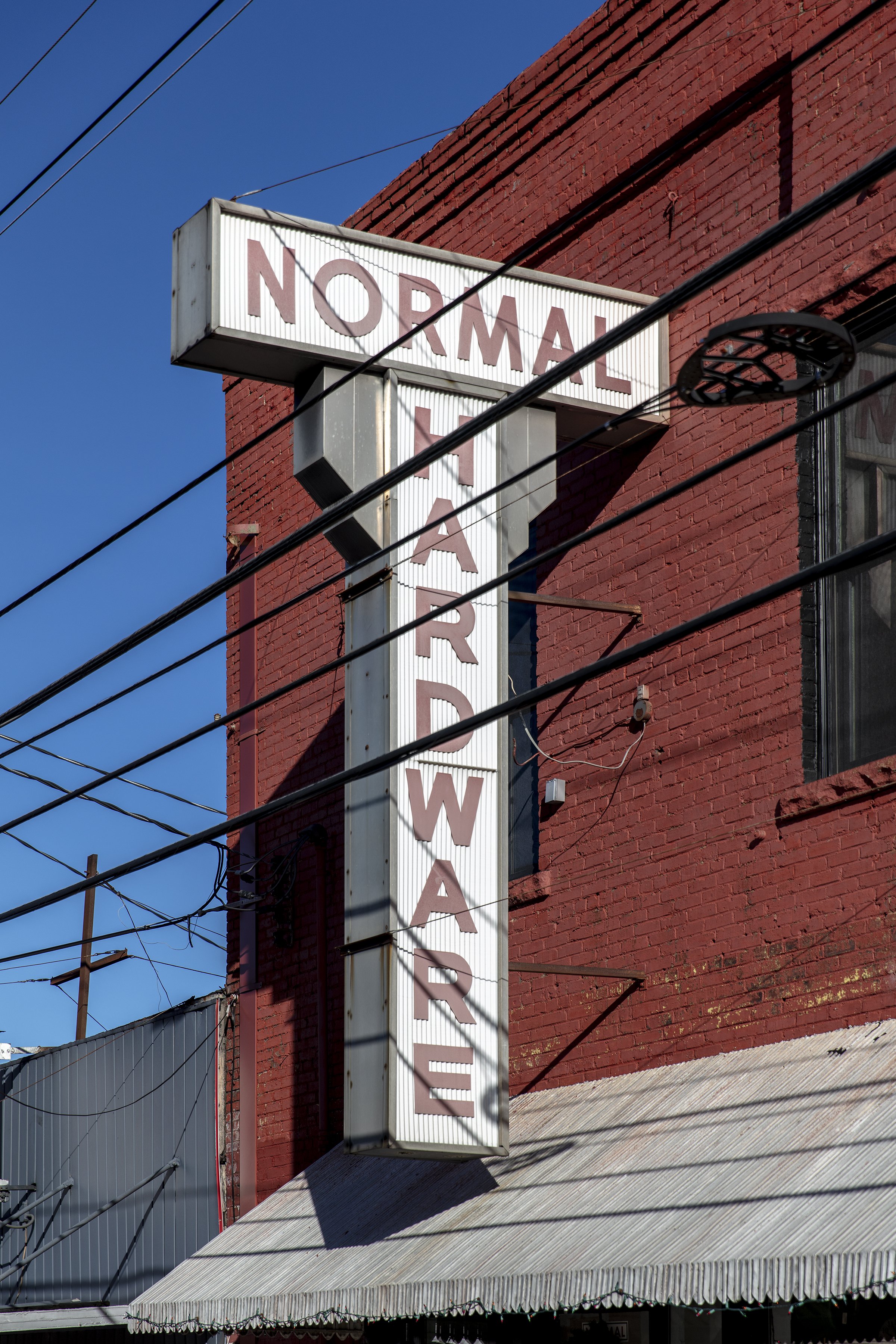
Normal Hardware Sign
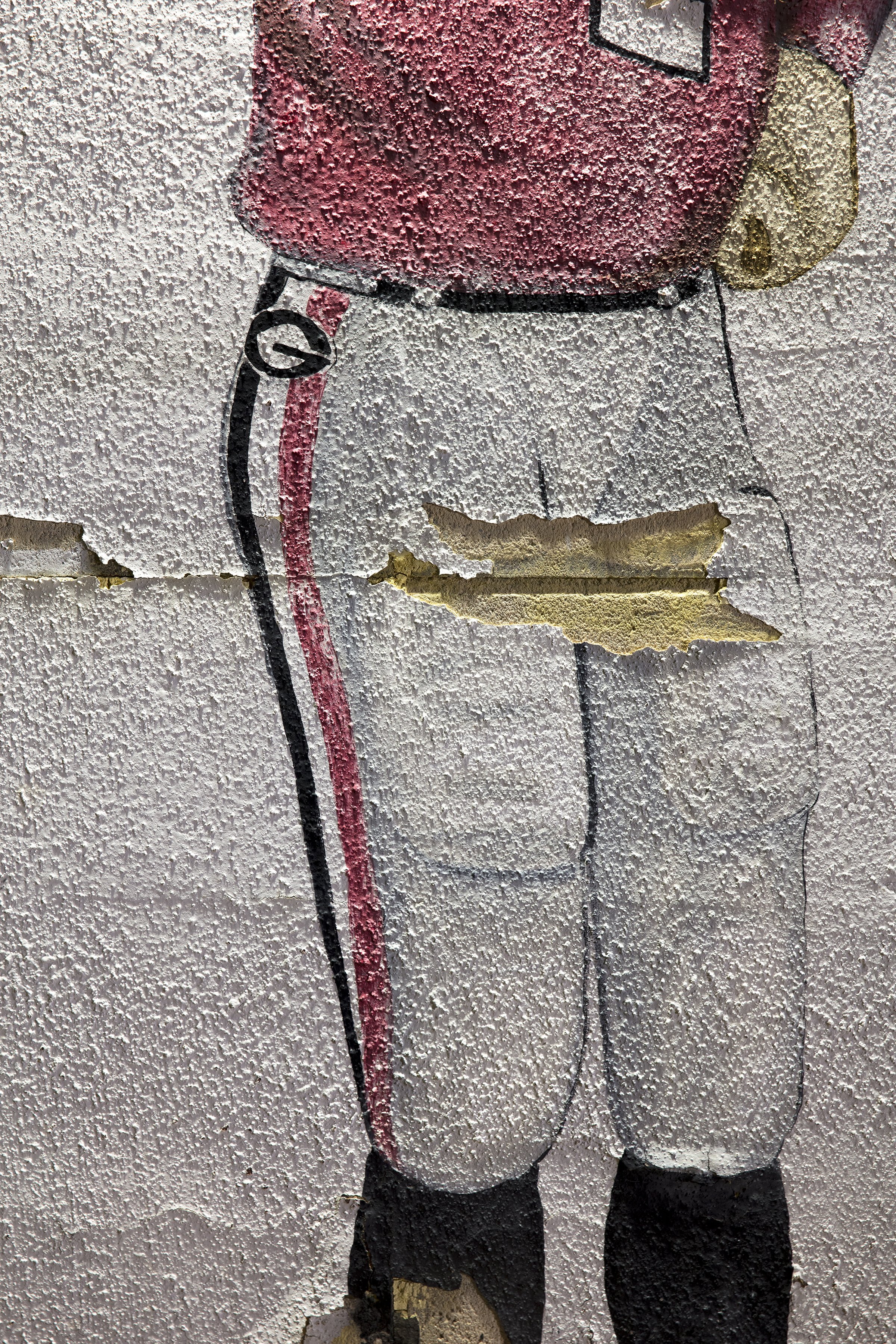
Missing Crotch
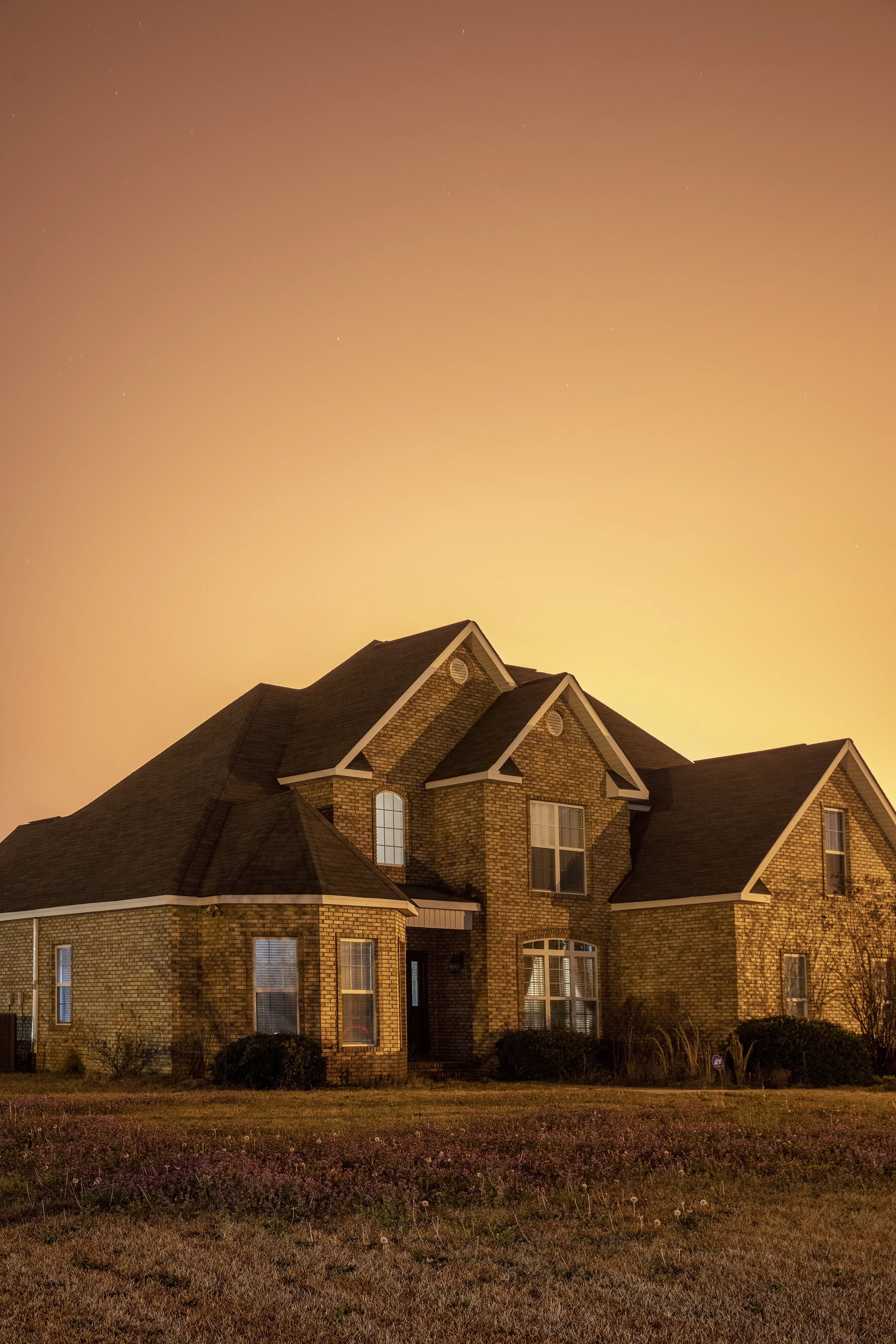
McMansion Lit By Hydroponic Farm
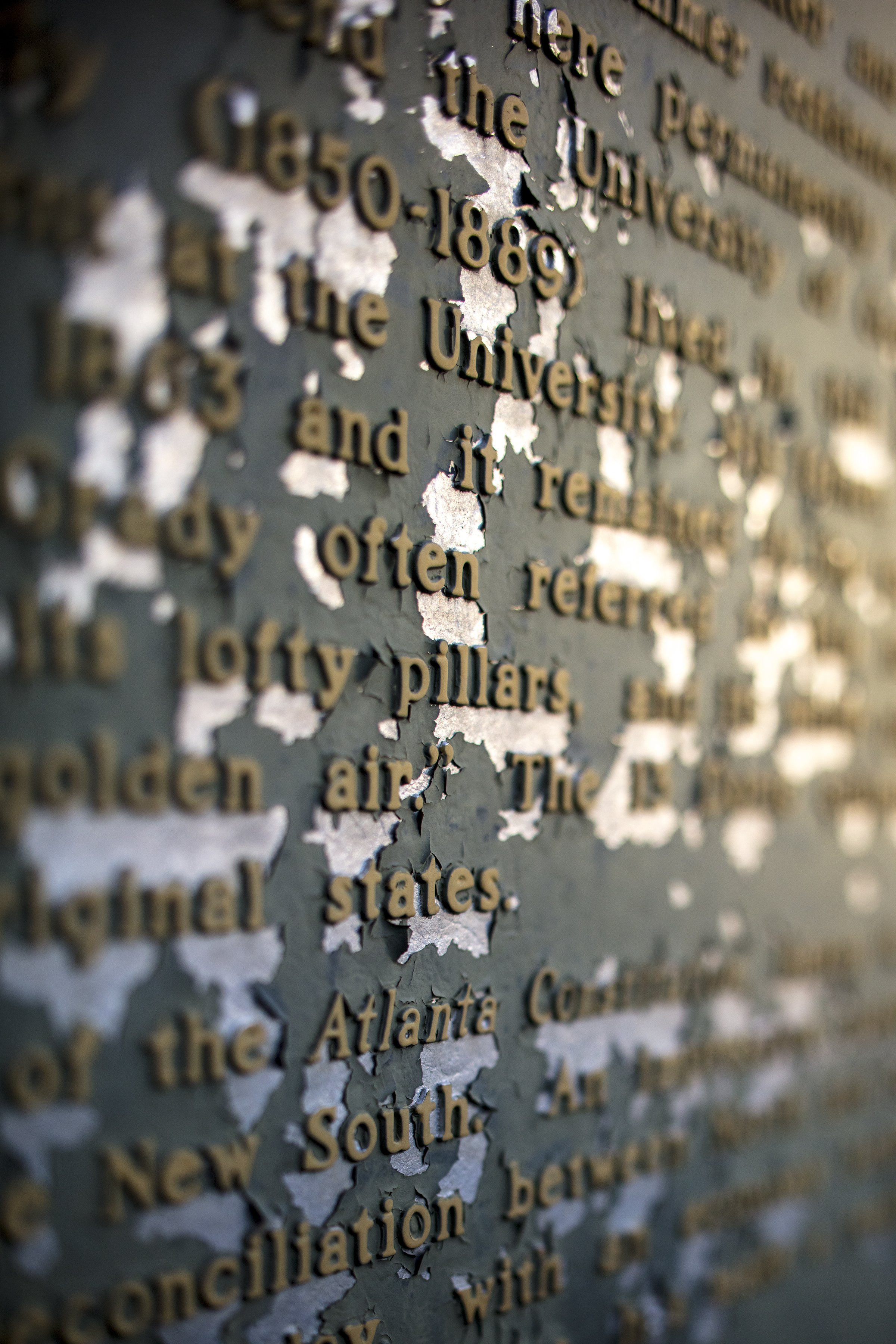
Lofty Pillars
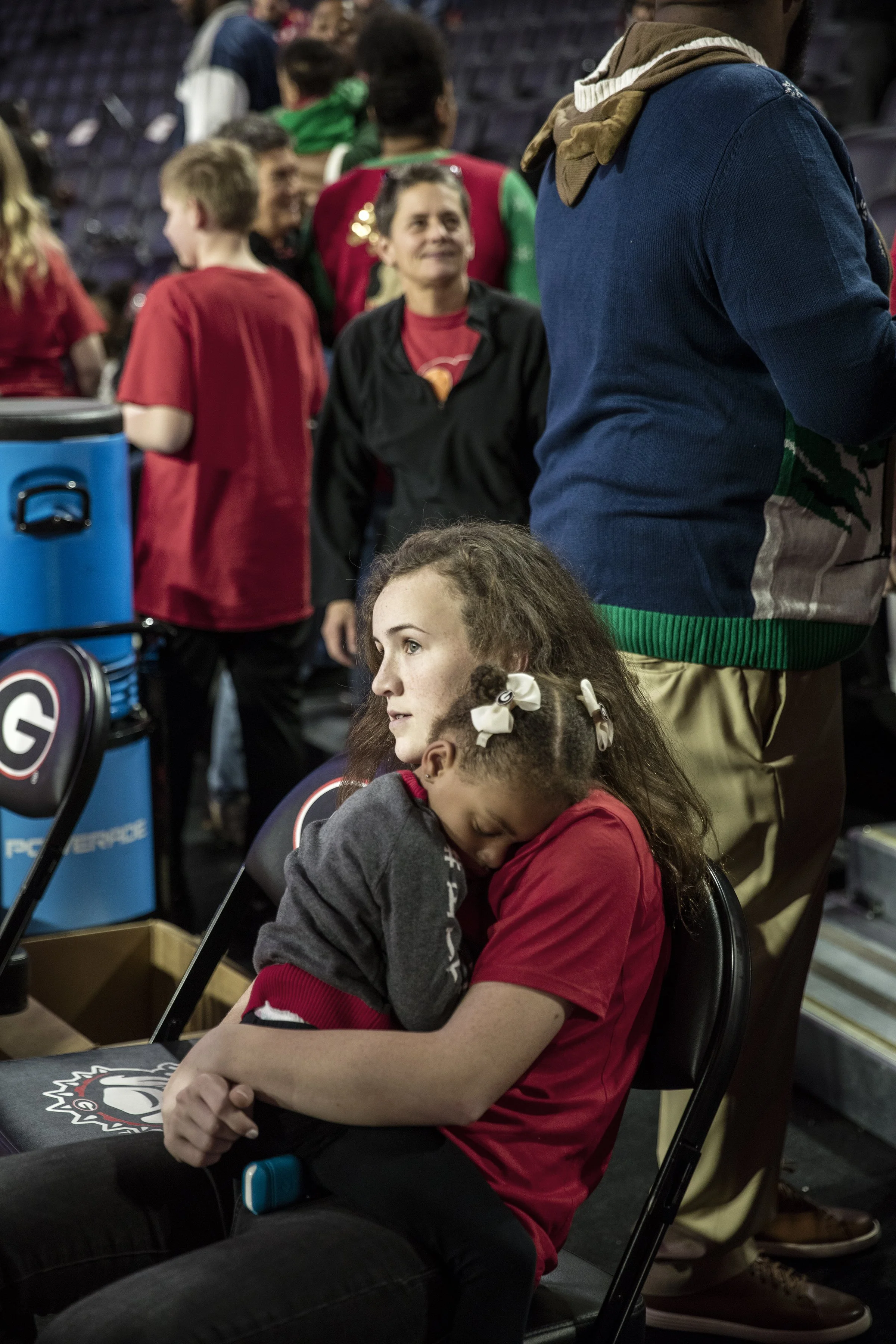
Little Girl Asleep Courtside
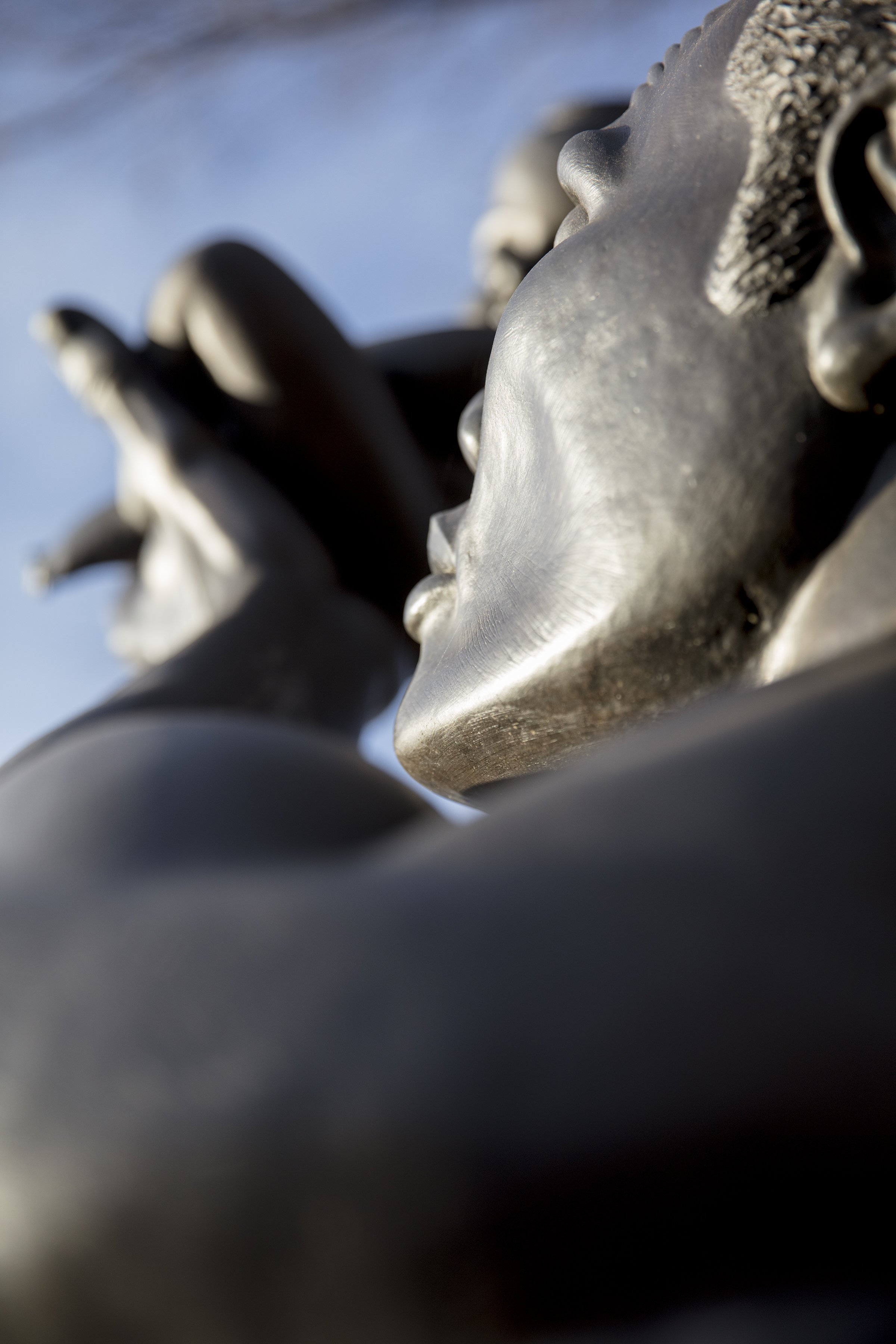
King
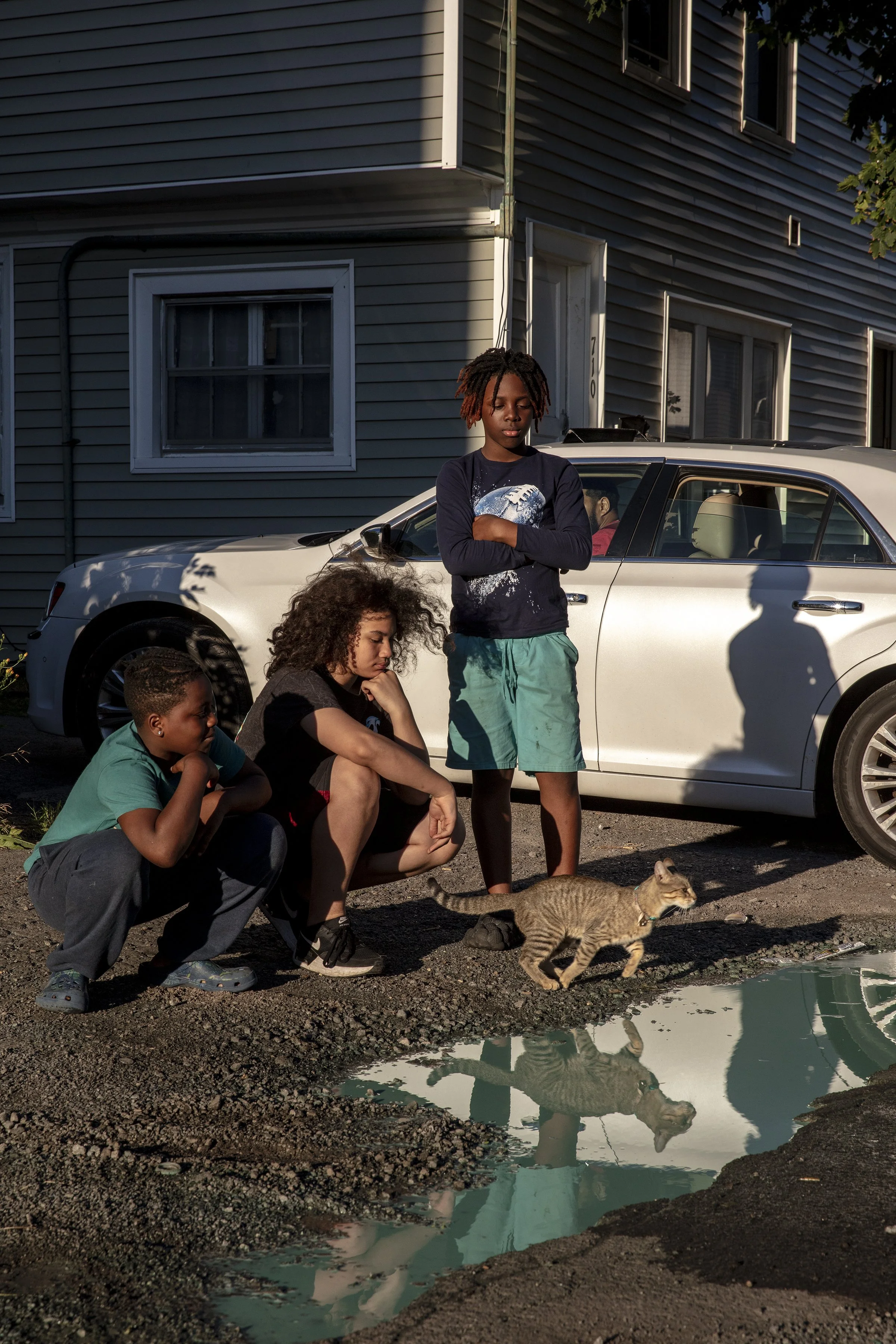
Kids Contemplating the Blue Water
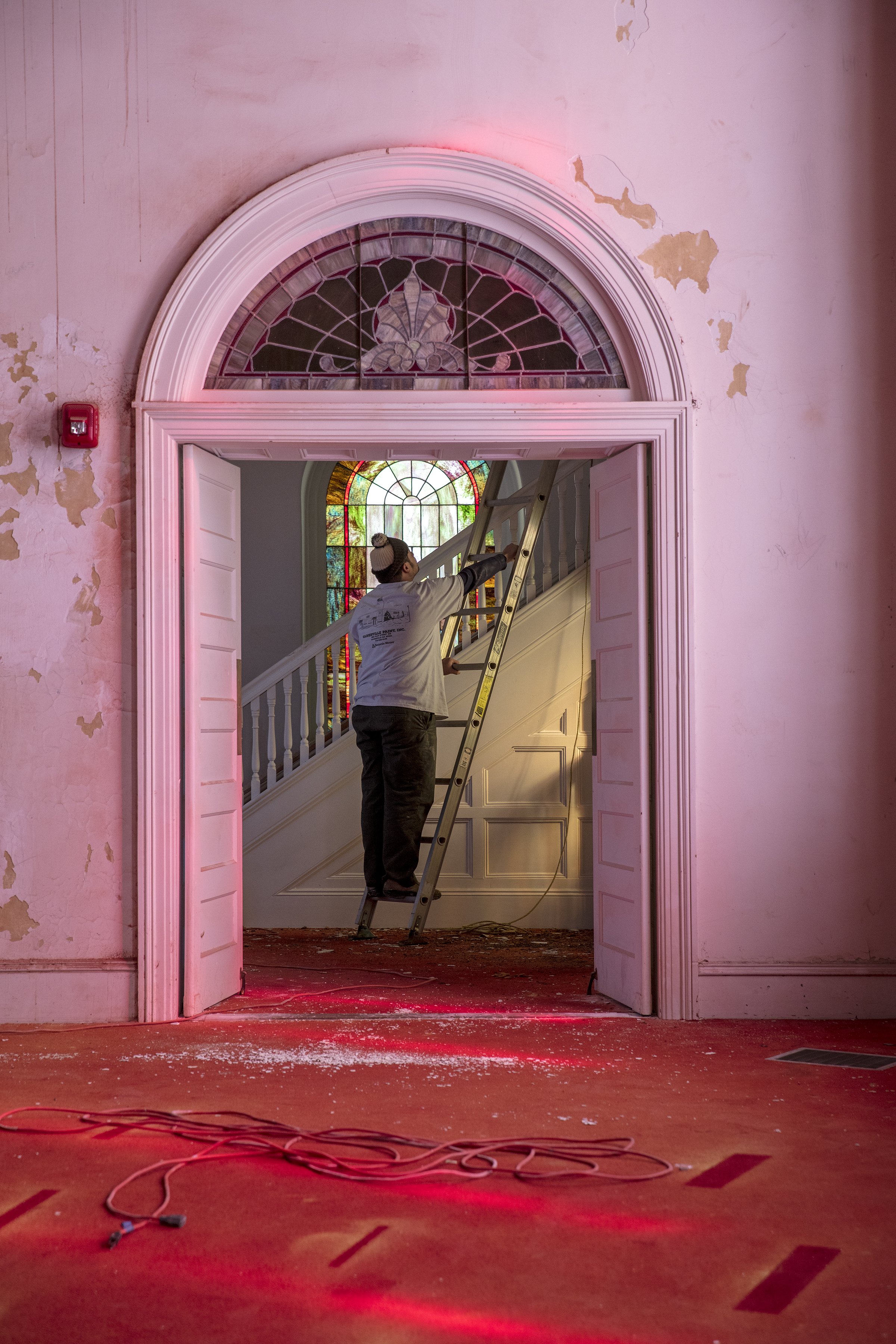
Jacobs Ladder
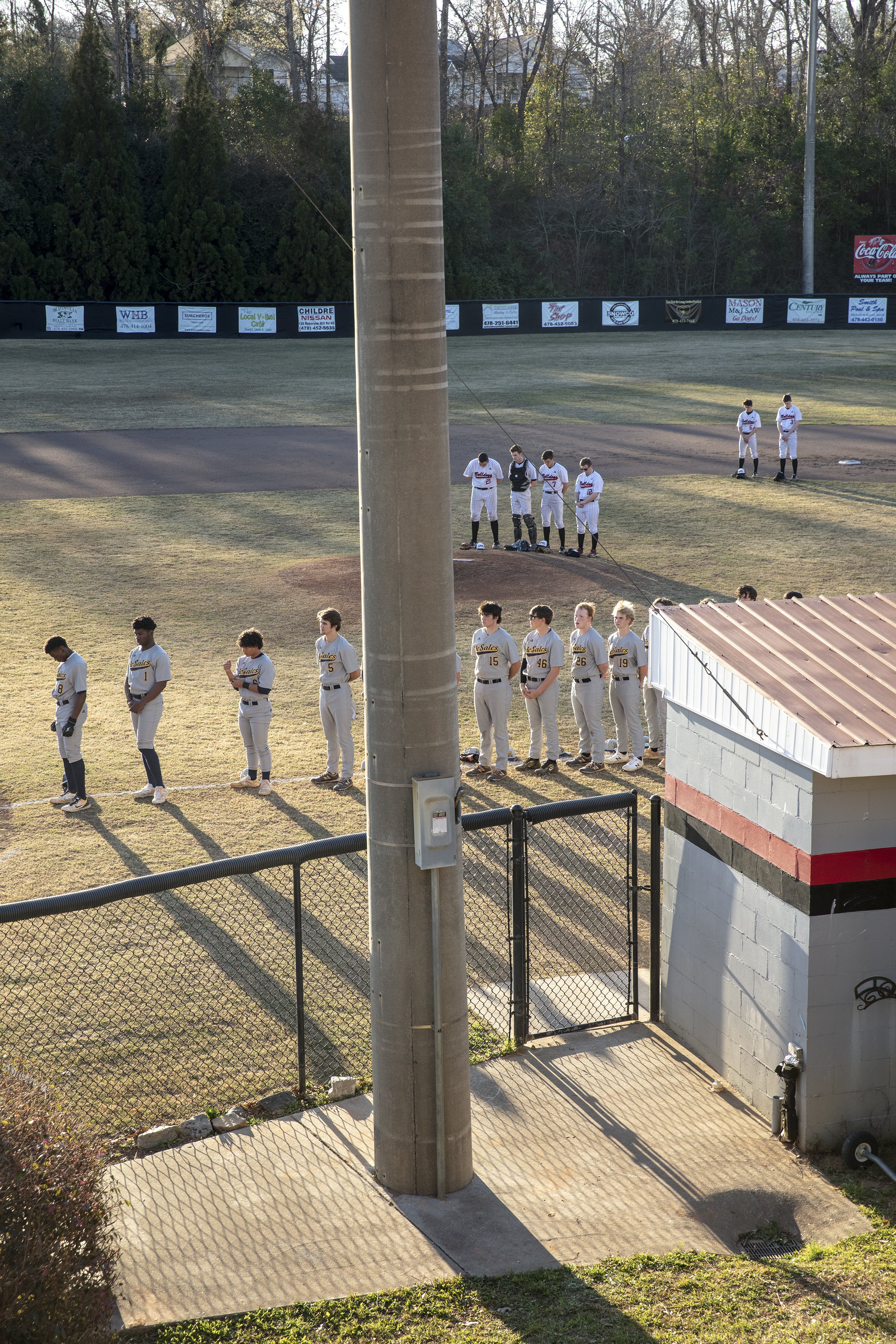
Imminent Ballgame
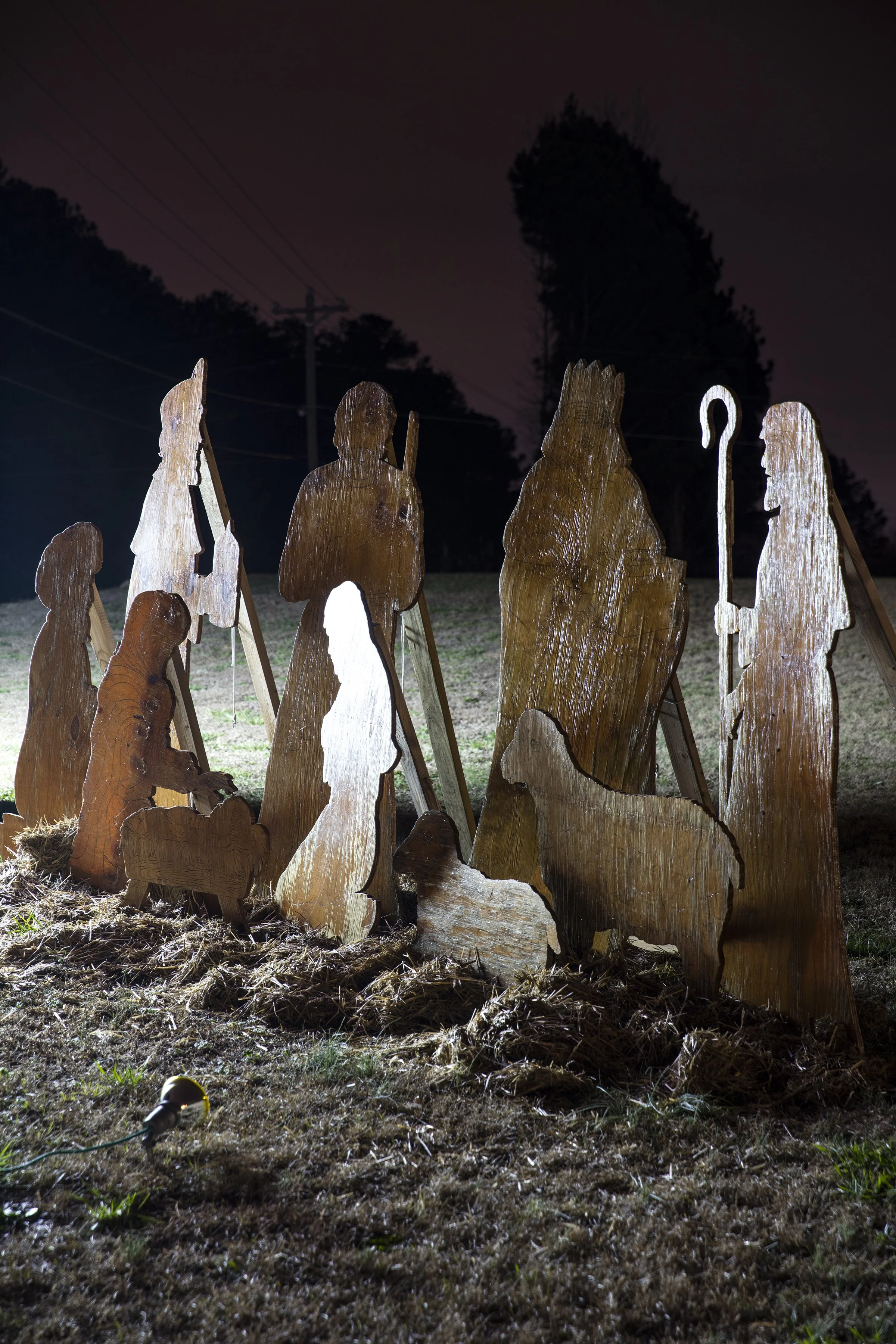
Nativity at Nght
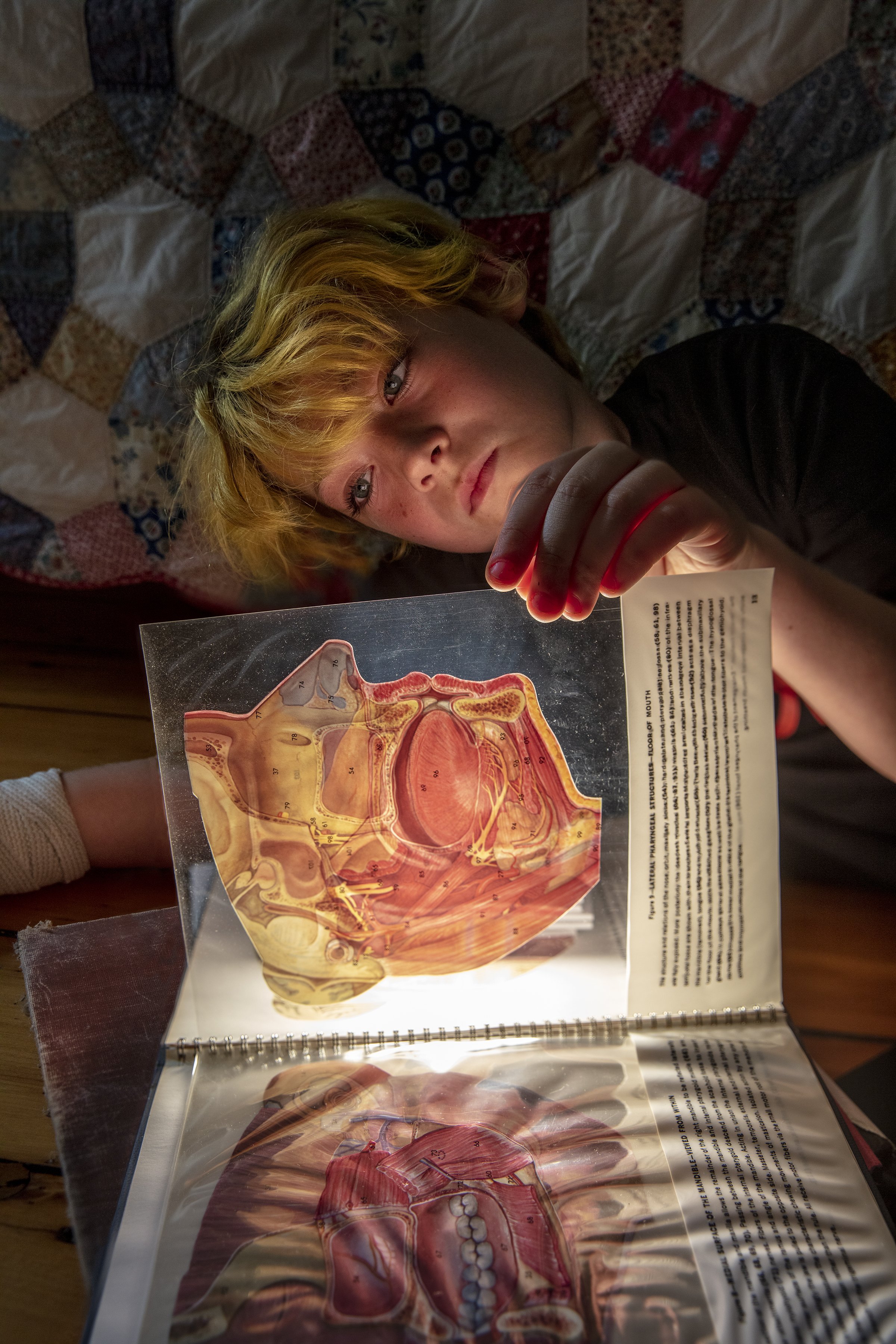
Anatomy Lesson
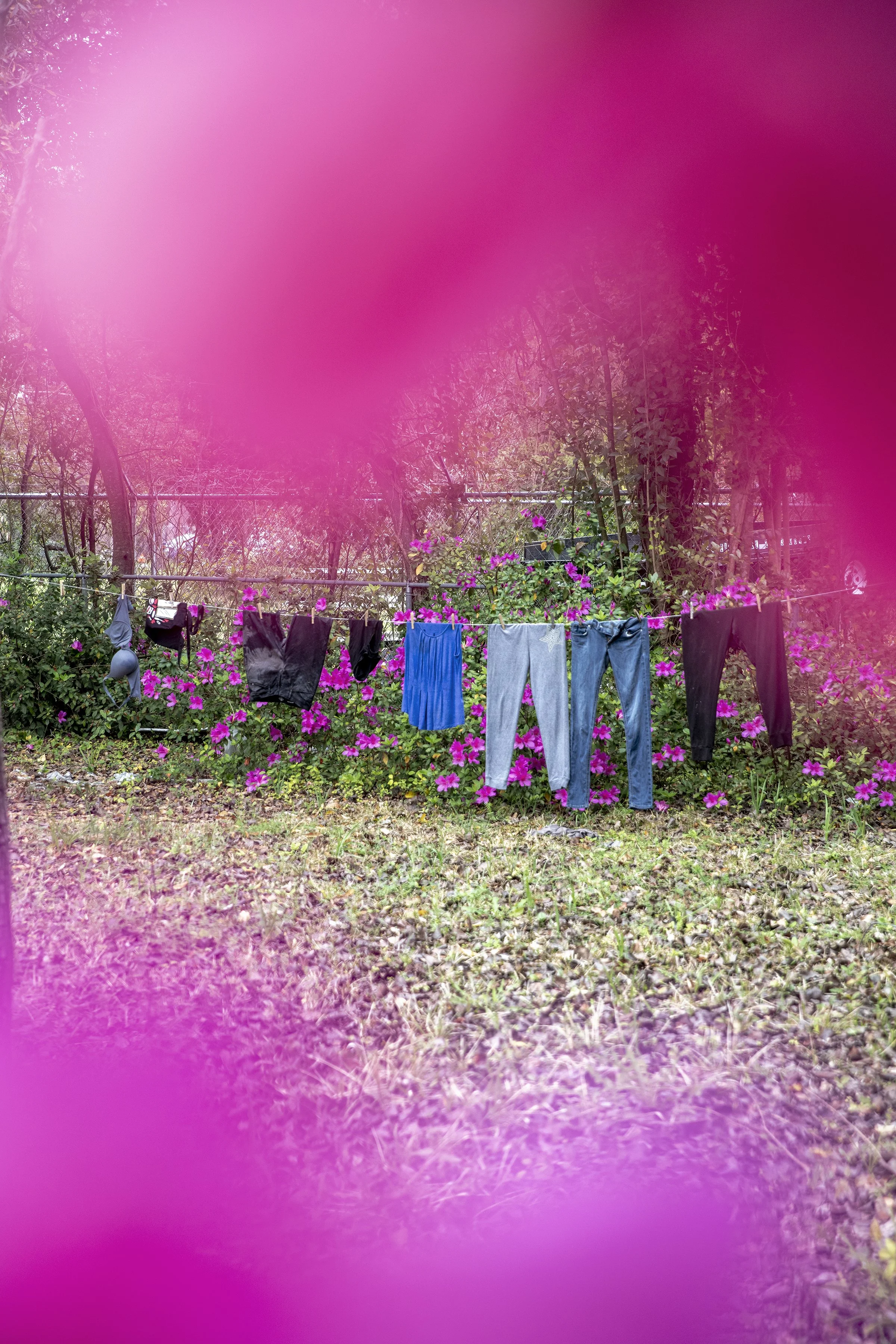
Azaleas and Clothesline in Blue
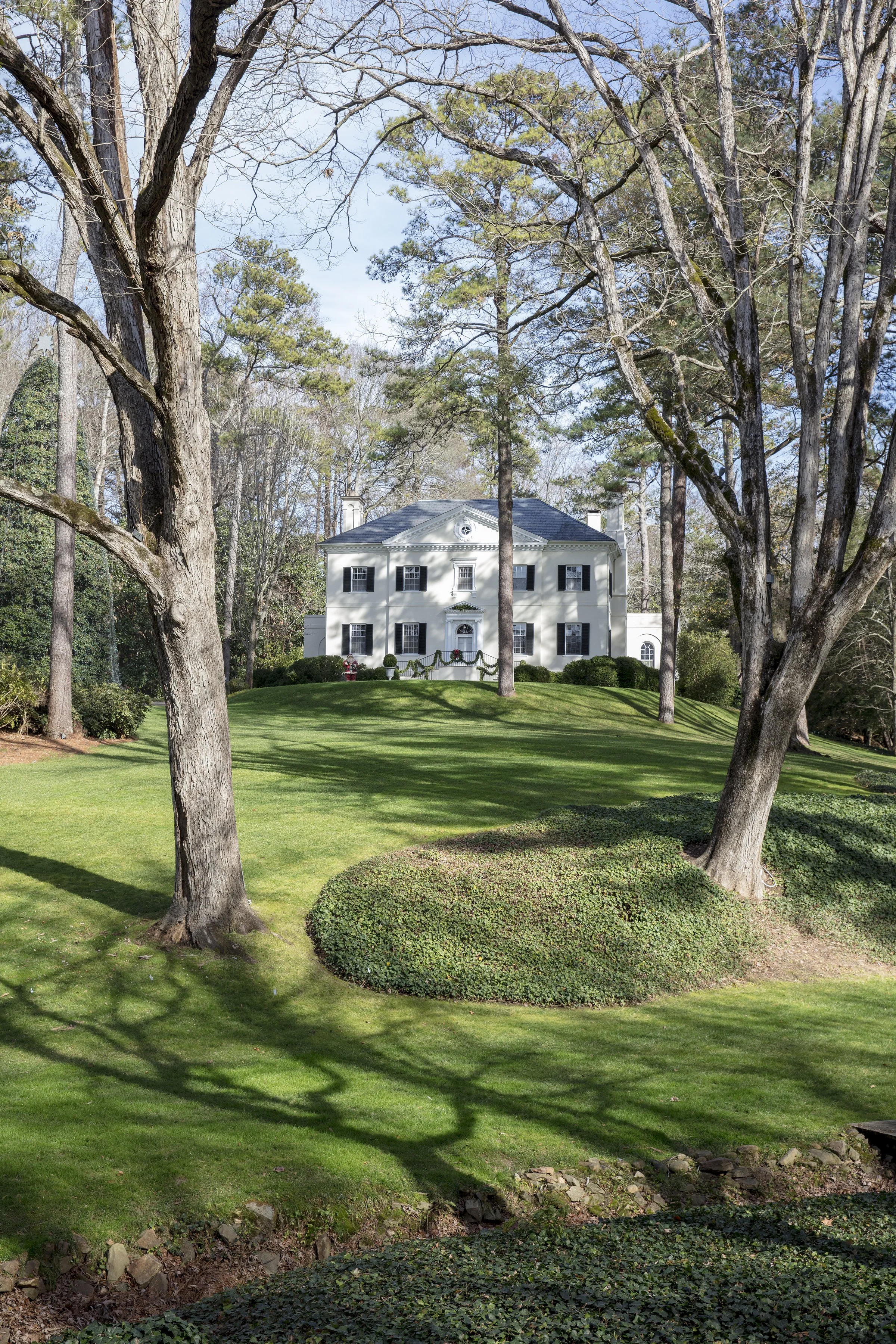
Bighouse
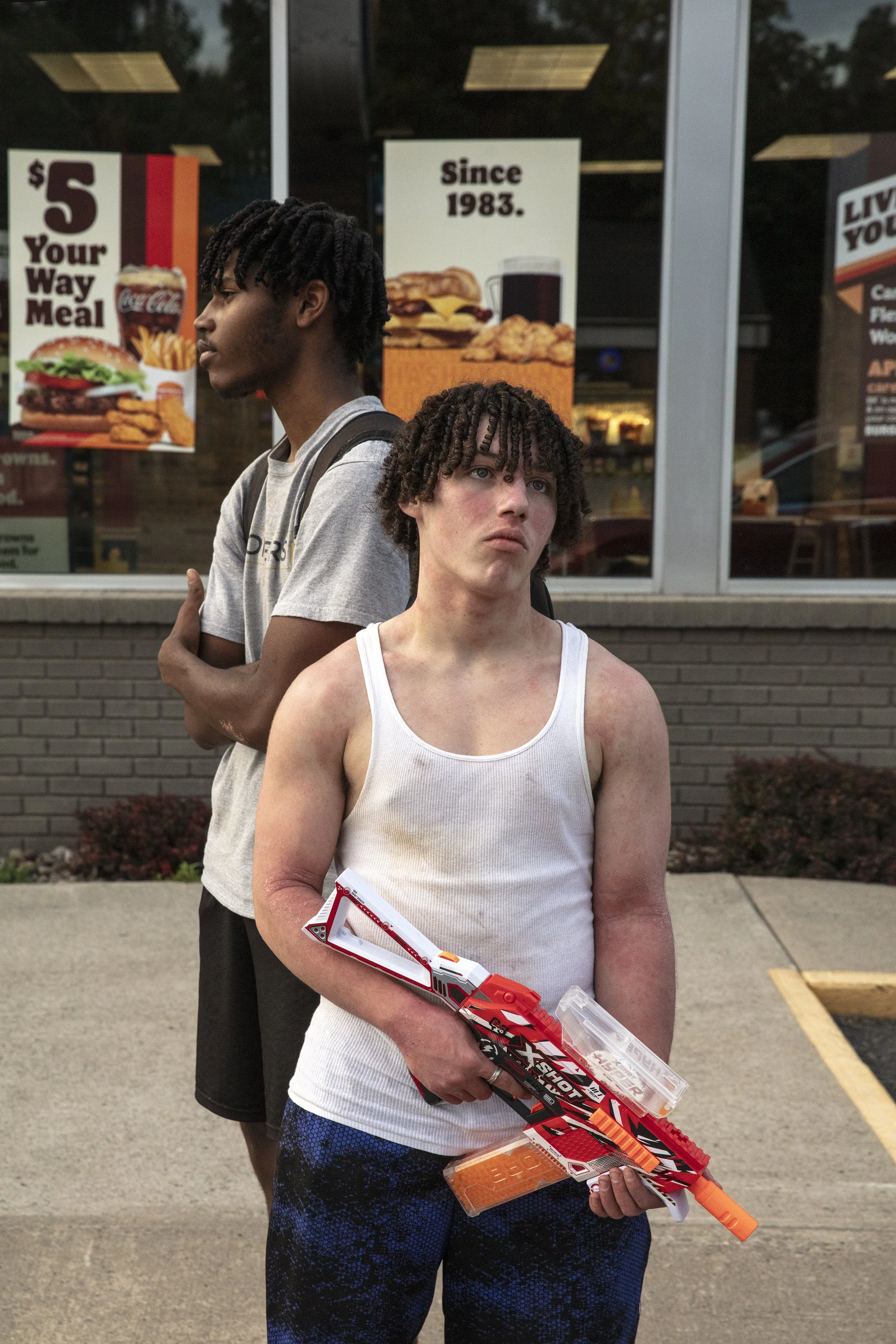
Burger King with Gel Cap Gun
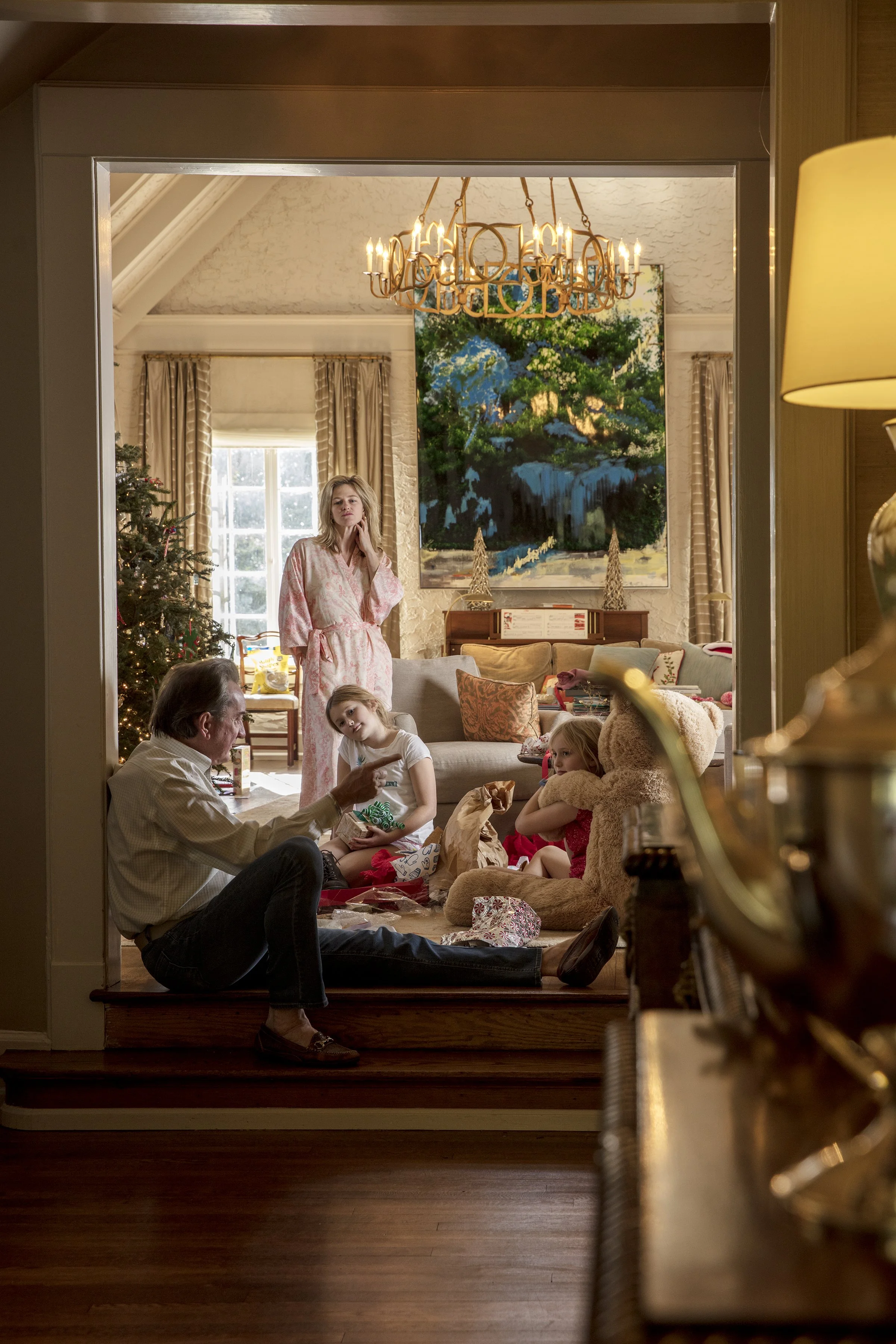
Christmas Family
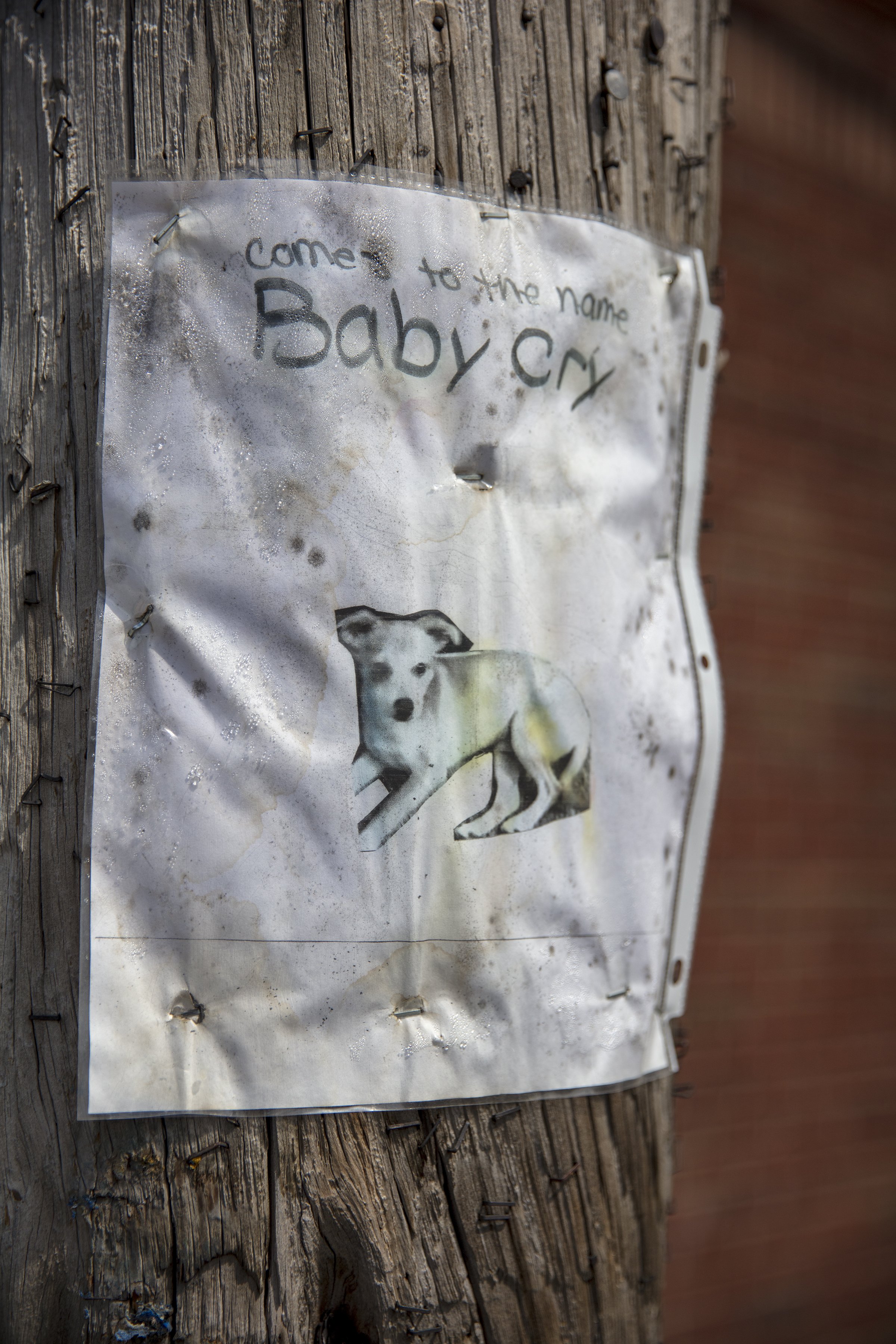
Comes to the Name Baby Cry
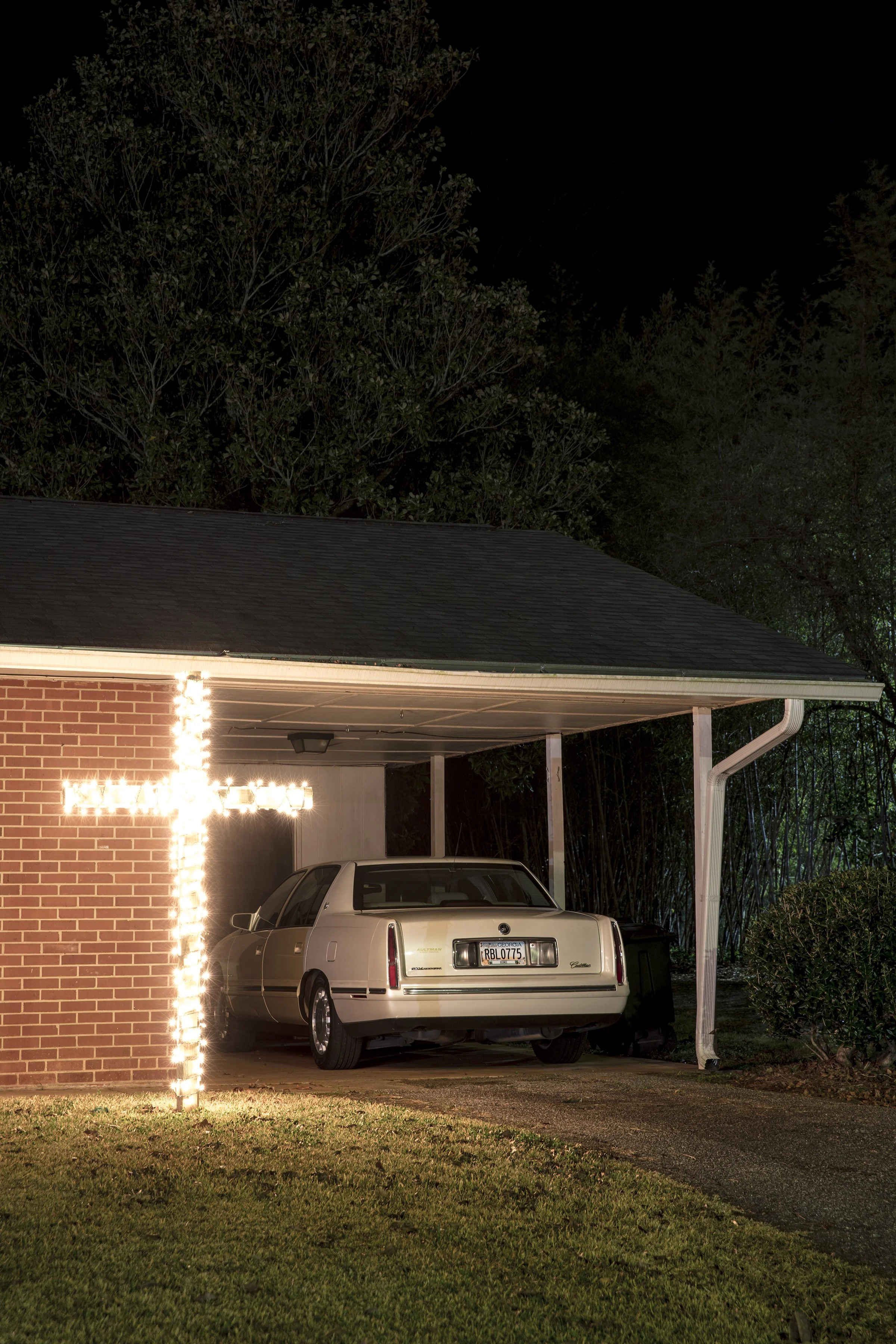
Caddy and Cross
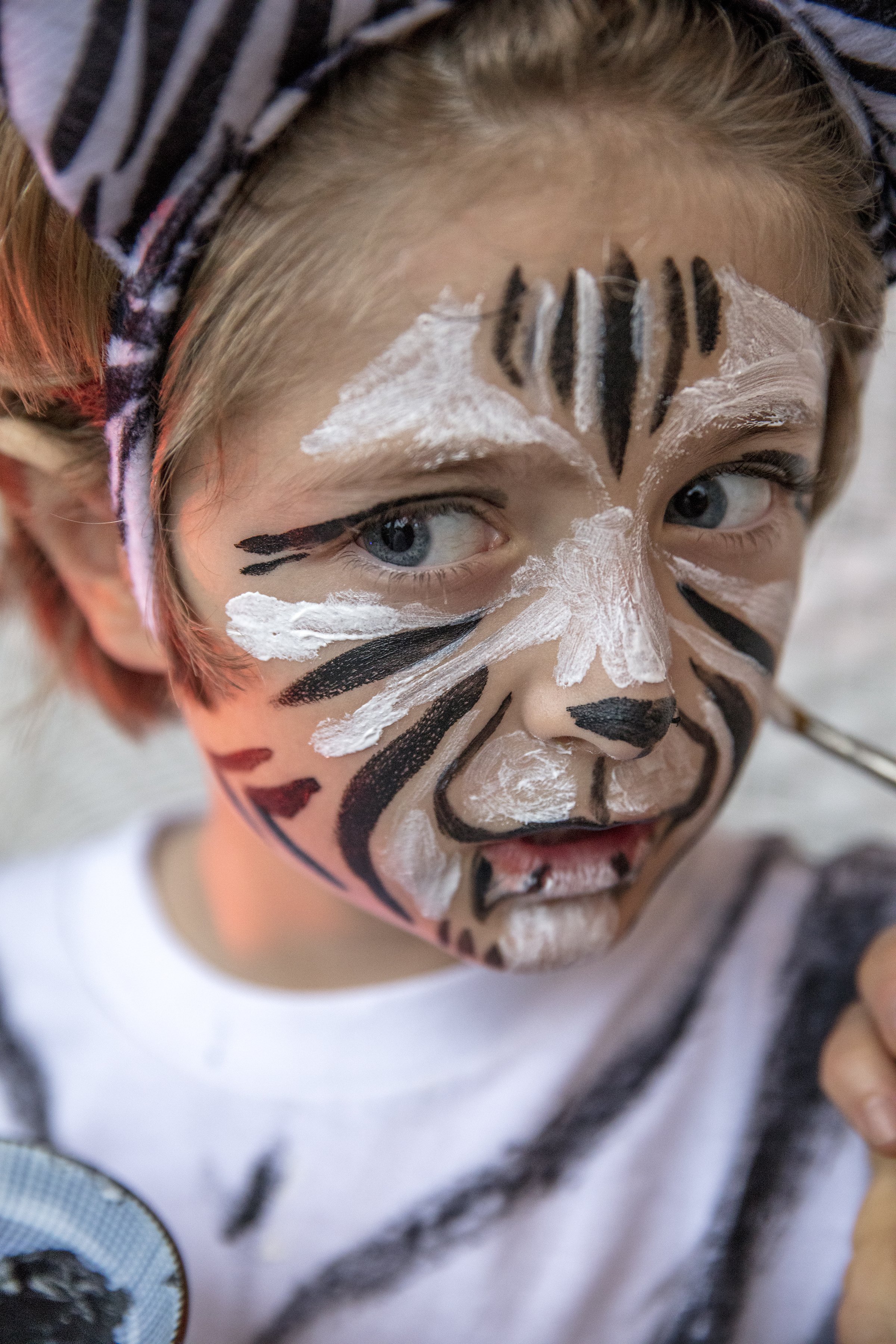
Face Paint
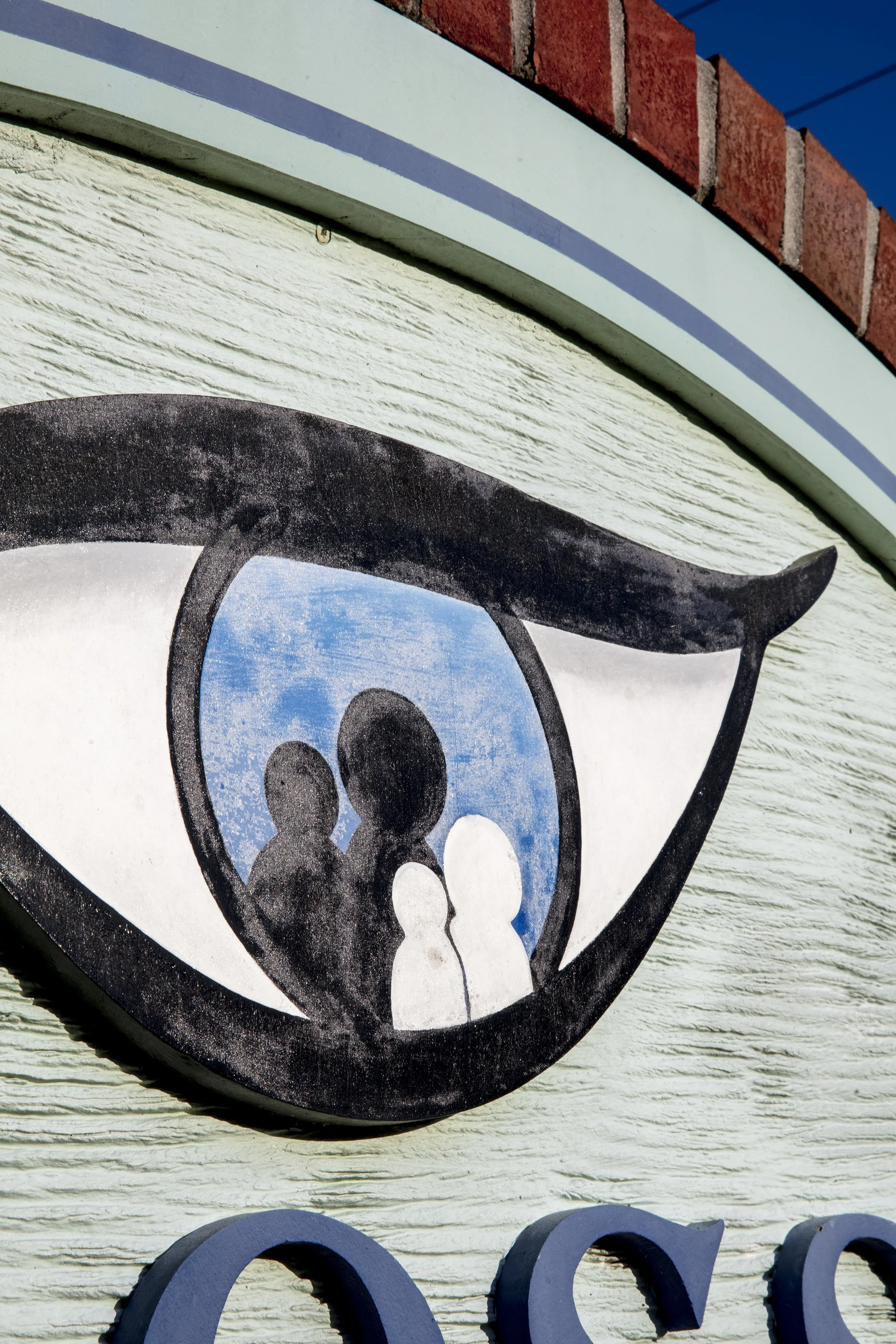
Family in an Eye
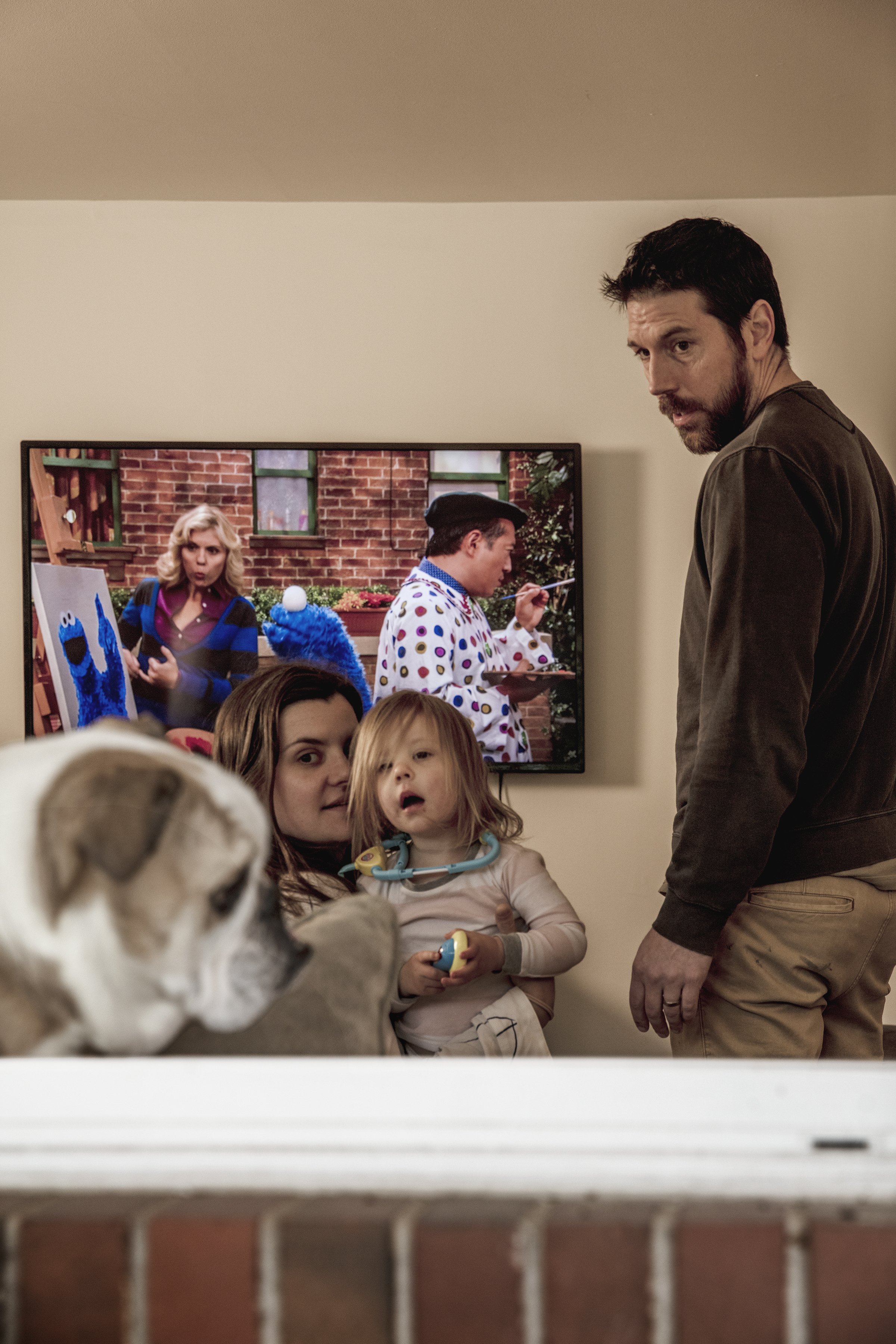
Family Watches Sesame Street
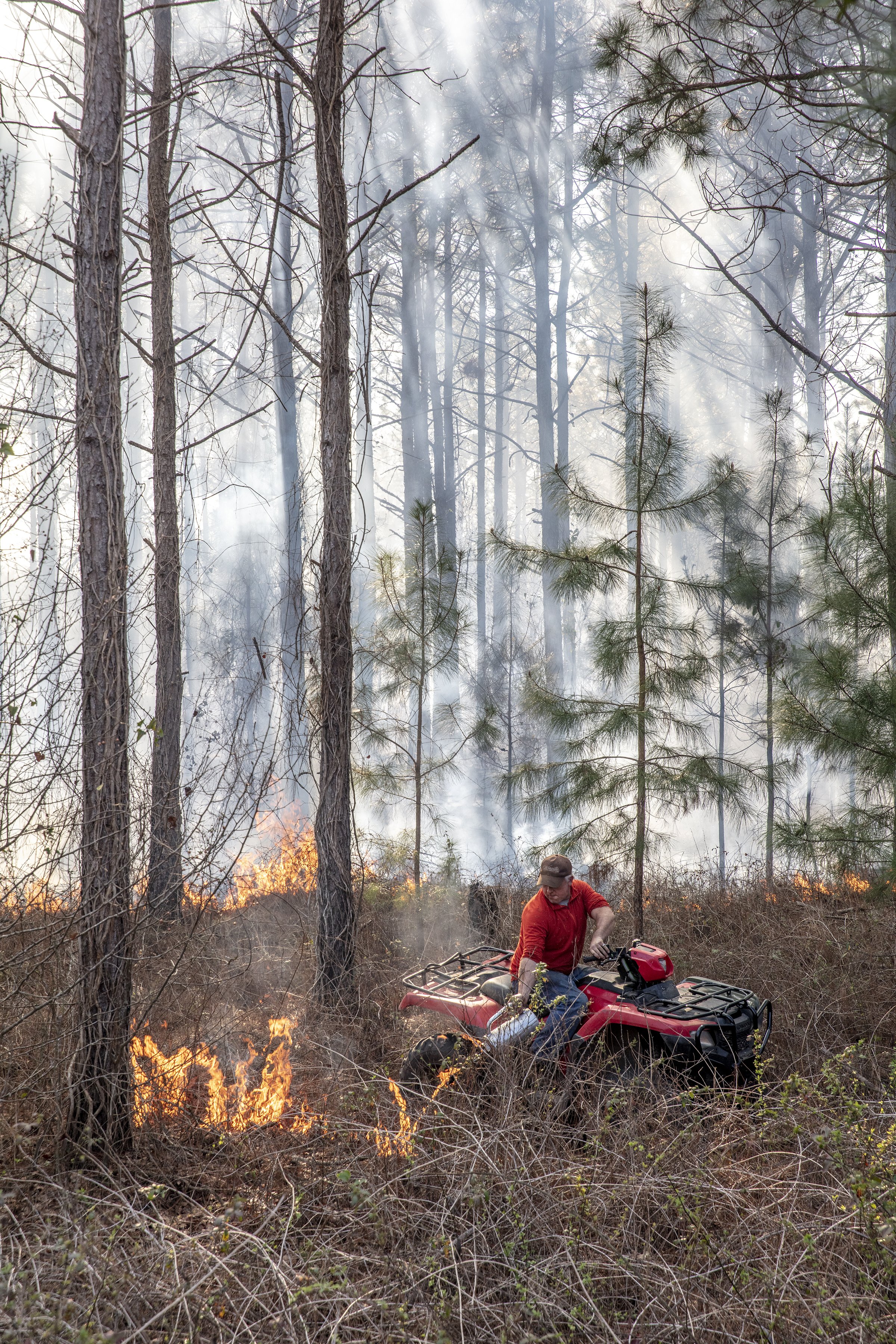
Firestarter
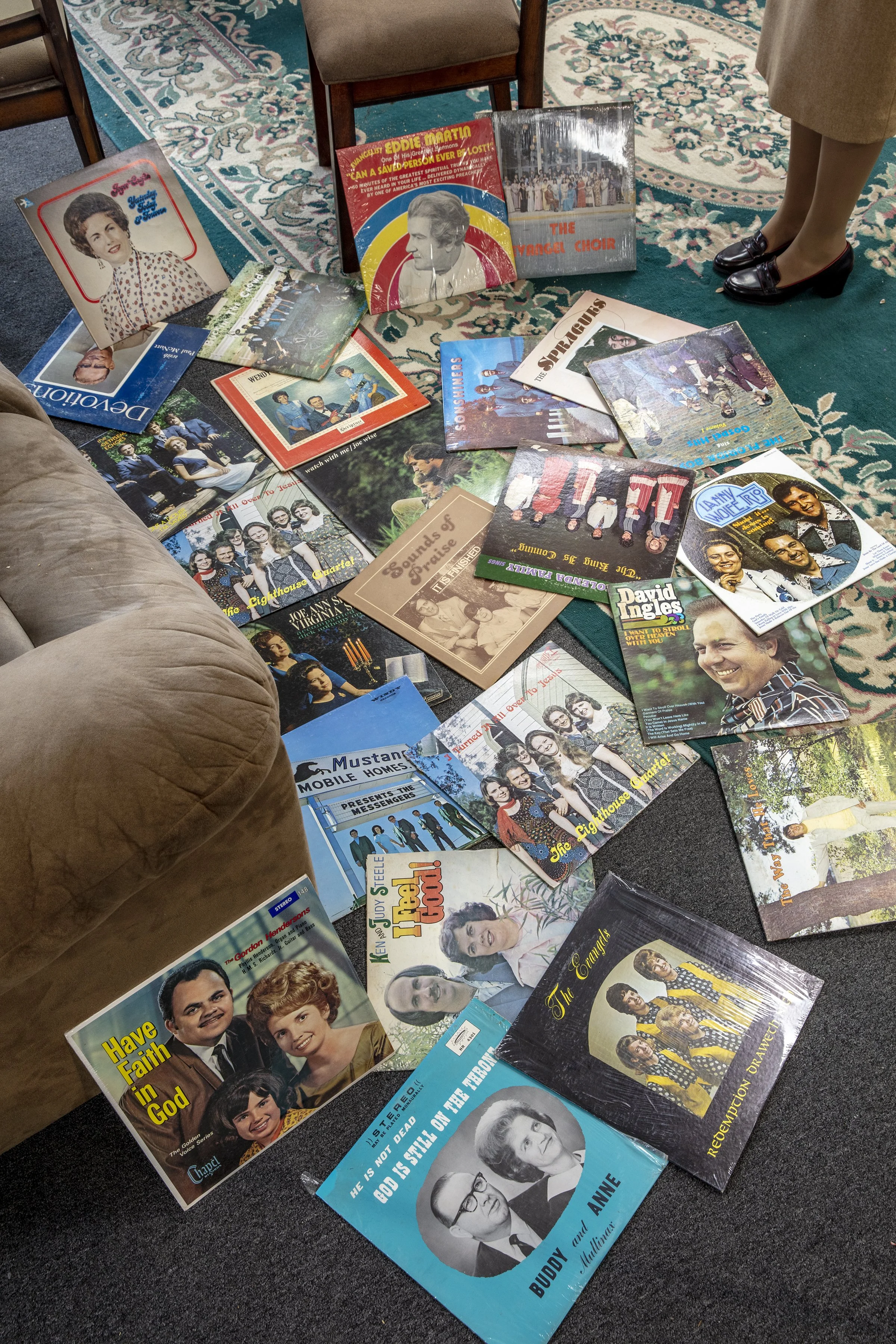
Gospel Record Collection
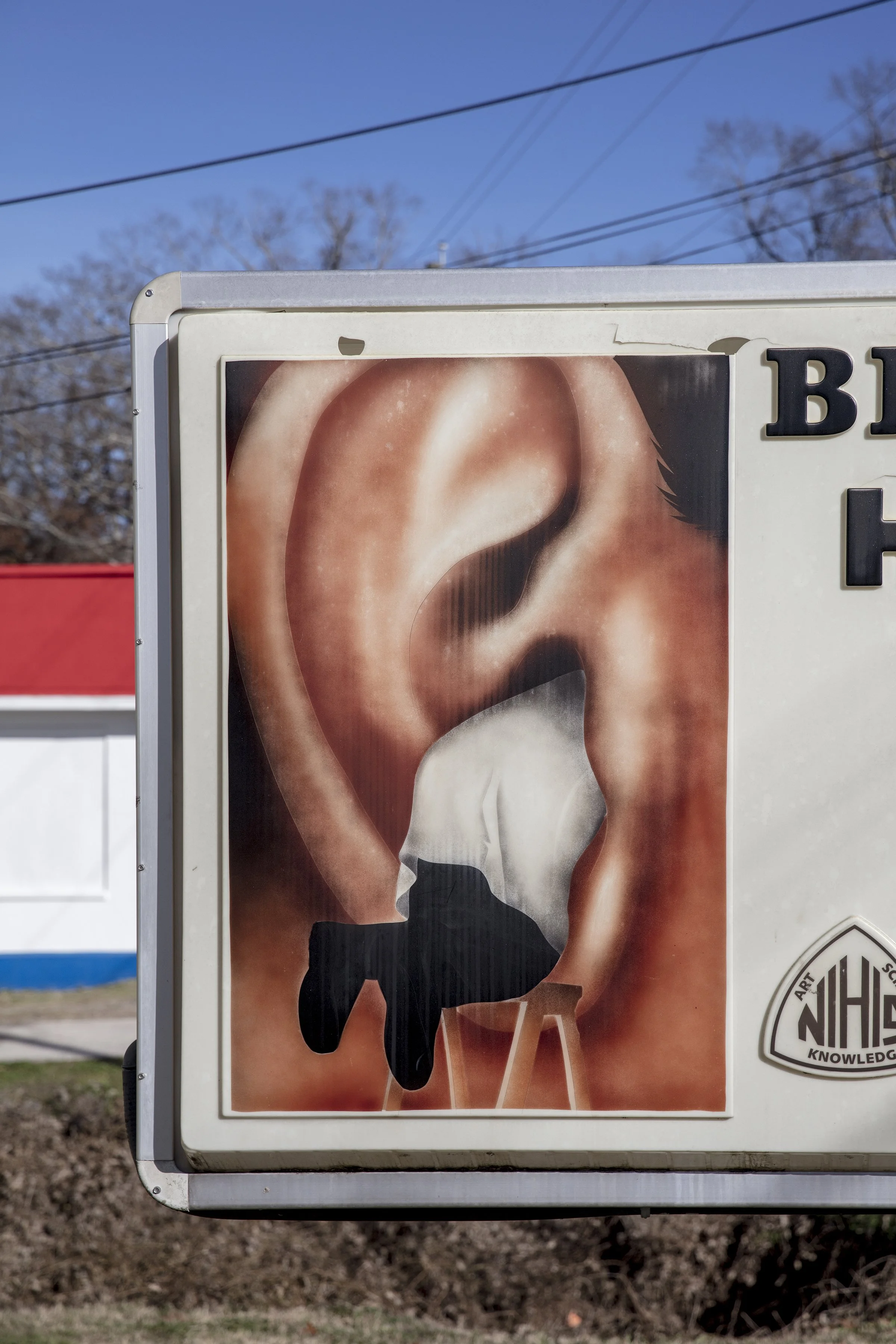
Hearing Aid Sign.jpg
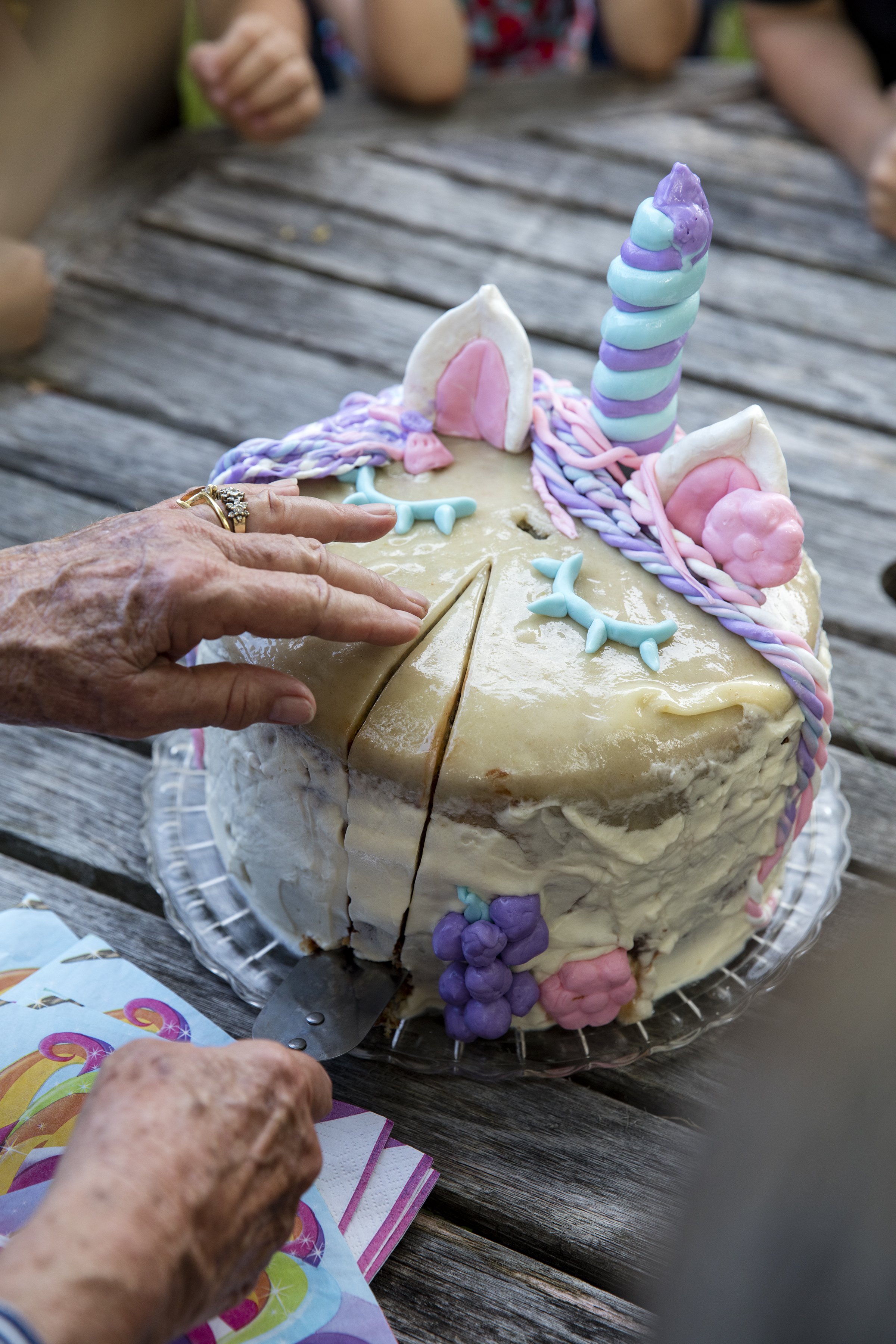
Unicorn Cake
SONGS
Normaltown
An Essay By Tim Davis
When I was seven, my mother left my father, ferrying my sister and me from Saratoga Springs, in upstate New York, to Athens, Georgia, to take her first job, as a librarian at the university there.
My mother is an orphan and a survivor. With no family, no money, she polished the crystal ashtray of marriage and saw “away from here.” We only get so many eclosions. That’s the lovely word for coming out of your chrysalis. My life ecloded in a neighborhood of Athens called Normaltown. I wish I could say I unfurled into a Normal butterfly, but instead I emerged inside another cocoon. Seven, Eight, Nine: these are the years the picture you have of yourself starts to drift from coloring book contours, and you learn, with shading, who you are. I learned I was an outsider and an alien. I sounded and looked different. I ate different things. I acted different too. In Normaltown, an almost macho politeness covered much of the human landscape. The northeastern atheist artist Jew was an invasive species, a new kudzu, misunderstood by most. It is recognized by its wanting to really actually talk about it, instead of smile and nod. But the enchrysalised Timmy who fell onto the hot melted sidewalks of Normaltown didn’t meet much hostility, no. If this was a tale of oppression, I would’ve had an easy enemy. Instead, there was only the bedtime storybook binding falling apart in your parent’s hands, the quality of the illustrations off-register and unfamiliar. And the happy ending you’d heard a hundred times replaced by a torn page.
Normaltown in 1977 was a sweaty, polyester place. We lived in a little rented house on Oglethorpe Avenue. My sister and I were loved and cared for but poor, and there was danger on the ground. On Georgia football Saturdays we’d leave to dodge the drunk Dawgs fans who would drive up on our lawn. We’d drive to Atlanta to see the Cyclorama, stopping in Between, Georgia, just to be in it. Or we’d head up to Dahlonega to mine for gold. There was a navy base across the street. My earliest confirmable memory, years before, is of watching a Vietnam veteran with one leg crutch up to us at an upstate McDonald’s and ask for a light. Raised by near-communists, I distrusted the military and felt certain that I might be living awfully close to annihilation. Besides, how was there even a navy base so far inland?
Sometimes, pained and lost, I would try to run away. I knew I couldn’t cross the main street by myself, so I’d bumble down toward the commercial strip where the Normal Hardware and Normal Grocery were. More than once, I ran into an enormous locust stretched out on the wide, slate sidewalk like a miniature dragon and would be too scared to continue. Insects were impediments. We couldn’t afford a TV, but for some reason my mother rented one for a few weeks, maybe to watch a sporting or political event, and a bubbly black-and-white Zenith was miraculously placed on the floor of our entry. The first Saturday, I woke up at five a.m. to sneak some actual cartoons. Impossibly, there was a 7-inch-long stickbug clinging to the screen, and I was too terrified to reach past it to the animated manna. The following Saturday I discovered that the only thing on at 5 a.m. was a local gardening show.
But you can’t help becoming you. That the bedtime story had gotten so garbled didn’t stop me from starring in it. I wasn’t home. I wasn’t with my friends and my full family. An enormous NO had fallen on me. No dad. No community. No ignorance of milk gone bad. But becoming myself this biopsied from my sense of what life had promised left me looking at myself from across the broad avenue, from the eyes of the eyeshadowed churchgoers with intact families. Being able to see yourself from outside is how you become an artist.
I got my first camera at this time. My first photographs were of the street sign obelisk in front of my house. One survives. It is saying little more than hold me here. All the rhetoric about the camera as a gun strikes me as obscenely insensitive to the makers of pictures. The camera is a hawser we’re desperately trying to loop around a dock as we drift away into infinity. My father had been an amateur photographer with a tiny closet darkroom off our kitchen. He framed close-up portraits he had made in Malawi, where I was born after my parents had completed their time in the Peace Corps. When he talks about photographs, he still describes the ones he likes as having “a big eye—BOOM!!—right in the center.” The pictures I made at this time have no people in them. I was using the camera not to document the world around me, but to dock myself to it. People who have survived jumping off the Golden Gate Bridge almost universally report an instantaneous flood of regret the minute their heels leave the roadway. My pictures from this time show a person reaching for the nearest measure of assurance that this new place would support the black hole of regret growing in his throat. Normaltown was where I learned that the camera can care for you. Your life may have come apart. The story of your family may have come up sputtering and silent. But the camera keeps telling your story, over and over.
So I became a photographer out of loss, and have been obsessively working ever since, I guess to plug the leaks in my satchel of the self that I slung over my sloped Normaltown shoulders. But why go back? What can a photograph, so utterly tied to the present, say about the past? In graduate school, I thought I’d test it out. I hadn’t been back to Georgia for twenty years, but in 2001 I bought a ticket to fly down to Athens to see what I could scrape up. I had just met a young painter named Lisa Sanditz and the night before I was to fly out, we played basketball together in the gymnasium at Pratt Institute, where she was in school. About twenty minutes in, I turned my ankle so hard it blew up to the size of a grapefruit. I went to the ER, got Advil and crutches, and never made it to Athens.
I did journey down there with Lisa a couple of years later, to meet with my musical hero, Vic Chesnutt. I spent a day at his house talking through a potential project. I asked him to write three songs about architecture, proposing that for each I would make a video. We spent the day gabbing and grousing, and he seemed excited about the collaboration. Lisa and I left Vic’s house and drove over to the elementary school I had attended. It was summer and under construction, so we easily managed to sneak inside. The long corridors and enormous classrooms were all there, where I’d learned to copy the habits of the Normal people, to flip the edges of my book while reading the way Jay Wiggins did, to get down the mucusy okra in the school lunchroom. But the building also spoke the universal language of rubble, and in a few minutes an enormous evening summer storm burst and water began pouring through holes in the roof. I had entered my own personal Tarkovsky film. From the screenplay of Stalker:
It starts raining, colors become monochromic. Professor casts the last parts into the water. They sit still. The rain is over. Flooded tile floor. In the water there are lying parts and dial-plate of the bomb. Above them swim fishes. A big blot of raw oil comes floating. (There can be heard noise of a train passing by and music, Bolero.)
Vic had been excited about the collaboration, but he was a giant stoner, and if he ever got around to it, I’ll never know. Accidentally happening upon one of his shows in 1995 or 1996 had rescued me from the avant-garde poetry scene I was in. I realized I could make art that communicated with people. I started writing songs and listening to music other than the free jazz and “new music” that made my twenties sound like a horror film. In 2005 I was asked to write an Artforum top ten list and included the following about Vic:
My favorite artist in any medium. Vic’s new album, Ghetto Bells (2005), features guitar-Dante Bill Frisell and Beach Boy-enabler Van Dyke Parks. Of course it doesn’t matter who plays with a guy who can write a line like “Christian charity is a doily over my death boner.” Self-laceration and specieswide disgust from a pen so joyous and specific with language, we share the rousing exaltation of his most uplifting song, “Look at Me,” from Left to His Own Devices (2001): “Something bold and beautiful occurred: I’m not interred!”
He would be interred four years later, after committing suicide on December 25, 2009. Every Christmas for years, my brother, Benjamin Lazar Davis, and I had gotten together to write songs. That year we wrote “Disgrace Note”:
I can’t write a song with Vic Chesnutt gone, no
The sun won’t stay down, Albert Ayler’s drowned
Go screw God again, Richard Brautigan’s gone
Let it trouble you, D.F.W.’s done got gone
Donny Hathaway, Margaux Hemingway
Stole themselves away
Breece D’J Pancake never will awake
Darkness before noon filled Arthur Koestler’s room
Are these choruses Diane Arbus’s?
I can’t write a song with Vic Chesnutt gone, Way long gone
With no note of disgrace, the late, great Johnny Ace
Stole himself away
The more I exiled I was from Normaltown the more unavoidable it became. So, starting in 2019, I started coming down to photograph. On morning one, I knew I had a problem. I woke up and drove to the little bungalow on Oglethorpe Avenue where I’d lived and learned to not belong. I stood beside the new street sign, no longer a concrete obelisk, absolutely speedballed with a cocktail of numbness and feeling. I knocked on the door, and the young, pajamaed couple who had just moved to Athens from Cincinnati with their toddler generously welcomed me in. I explored its three or four rooms, basement, and attic, every step a deepening tangle of dimension and dread. This was the breakfast nook where we had eaten our tunaburgers—cheaper than meat—and where my sister and I would call the local radio station to ask for “Cheeseburger in Paradise.” The whole place was a codpiece of kryptonite. But more immediate weakness grabbed me harder than nostalgic stabs: I knew the camera couldn’t describe these feelings. There is nothing that sets my amygdala dancing more than the challenge of how to solve a visual problem—it’s almost the photographer’s entire job. I could feel the editorial gears turning in my head: Is there a way to tell this story using only my eyes? The decades of deferring to the camera’s visual single-mindedness were contorting the world in front of me, making me check camera angles, look with buyer’s discernment at the light, imagine staging or rearranging things. As the dread that I’d traveled down to Georgia for nothing after years of dreaming and planning began to crawl up my nervous system, the couple came in from the backyard. “We dug up these toys when we put in a garden,” they told me, holding a rusty red truck and some bitty little wooden bowling pins out to me, “Maybe they were yours?” Maybe they were. I gathered them with talismanic fervor, remembering them, then not being sure, then being sure. Here was an actual memory, a physical thing excavated from my Jimmy Carter-era Normaltown. I couldn’t help weeping. I excused myself, carrying the small pile of memories out into the light, knowing with each step that even this pure, unalloyed evidence, this slam-dunk deposition in my own trial, was not an interesting picture, couldn’t tell you what I felt.
I said a sheepish goodbye to the couple, put the toys in my pocket, and set off walking. Walking is what I do when I need to function, to think, to feel, to be. In a chair I’m inert. So I’m thinking, How can I do this? How can I describe the ache I feel about Normaltown? How can the camera, so religiously committed to the present, tell a story about my past? After a block or so, I stopped in my tracks.
There had been a nice boy down the block. Adam was gentle and thoughtful and willing to play my game. He didn’t mind getting dirty. We’d dig in my yard for archaeology’s sake, sometimes burying things so we could dig them up later. He wasn’t terrified of what I remember as saucer-sized, four-legged spiders in the shed, so if a ball rolled in there, he’d go get it. There was a pecan tree over the fence that leaned over to our yard, and Adam was talented at cracking. When it rained I liked to play in the runoff that would course down the driveway of the navy base, and Adam and I would unwittingly study fluid dynamics with leaves and trash. My son, the same age, is at his happiest doing the same. Friends are the umbilical cords of childhood, feeding us when we don’t know how to do it ourselves. Ever-willing Adam lived in a nice Victorian house, with a color TV, a brick wall with finial balls, a dog, and an entire intact family. He’d have me over for breakfast on Saturdays to watch cartoons. His parents made pancakes. And so I hated Adam.
Cancer cells are just regular cells that refuse to die. They decide to keep dividing. It’s exactly how hate works. Adam should have helped me digest my alienation and loneliness, but I couldn’t stomach his normalcy. Now, here was his house, worse for wear, but as ever-present as my confusion. The neighborhood had come up as a whole, as the values of the country skewered onto real estate, but this house was funky. A dying plane tree hadn’t been cut down, just cut away and draped with Mardi Gras beads. Maybe students lived there. Or artists. But still, trying to talk about the loss with a camera was like attempting to put a bumper sticker on a sea otter. There were no metaphors here. When in doubt, walk. There will always be more to say. On a telephone pole just beyond this house, a lost dog poster, damp and faded despite being in a plastic sleeve, glared at me. “Comes to the name BABY CRY.” There it was, an analogy for my feelings, not a document of my past. A new chord, an overtone ringing as my inner life clanged its mallet off the present. Here is what I needed to do—what I would do. I’d keep walking around Athens and then drive around the rest of the state, this site of so much pain, gathering images that reached toward childhood and loss, toward pastness itself and the strain of photographs to speak to it. I’d try every way to hear these overtones, gathering as many as I could into something symphonic. I’d do whatever it took to see if I could see. That’s what Normaltown is, a photographer’s gamelan of glances, of harmonics ringing off the anvil of his history. “There is no pain,” the poet, Robert Kelly, wrote in “A True Story,” “There is only this, this this.”
—Tim Davis, Tivoli, NY
#
Tim Davis’ Normaltown sneaks up on what the hard knocks and emotional vertigo of childhood - his childhood - feels like. Aware of the limitations of photographs of the places and cultural setting taken in the "here and now" to convey the confusion and pain felt in the "back then long ago”, Tim adds to the more than two hundred never before published photographs, six deeply probing essays and two original songs on a 45 record. Taken all together in this volume Tim extracts and amplifies the core sample of what his — and to a great degree most childhood’s strang und drum contain. As much a visual epic poem, performance and shoebox of delights as it is a photobook Normaltown should come with a warning label.
“To Alice and other’s of her ilk 'Drink Me' …but buckle up.”
Years in the making, with many return trips to Athens, Georgia. and environs — and decades in its conception, Tim Davis’ Normaltown is an invitation to rip the tape off our schoolyard and other wounds of our youngling days and wobble our way back to being eleven again.”
— William Boling, Publisher/Founder of Fall Line Press